Products

Raydafon Compressor

Manufacture the Best Air Compressor All Over the World.
Air Receiver Tank for Air Compressor
  • Air Receiver Tank for Air CompressorAir Receiver Tank for Air Compressor

Air Receiver Tank for Air Compressor

Raydafon air receiver tanks store compressed air to stabilise output pressure, eliminate flow pulsation, and allow part of the moisture and dust to precipitate. Made of high-quality carbon steel or stainless steel with advanced welding technology, and ISO 9001 certified. Suitable for screw, oil-free and special gas compressor systems. Available in vertical and horizontal configurations. Draining the tank regularly is recommended. OEM/ODM and wholesale supply supported.

Air Receiver Tank for Air Compressor — Compressed Air Storage Vessel

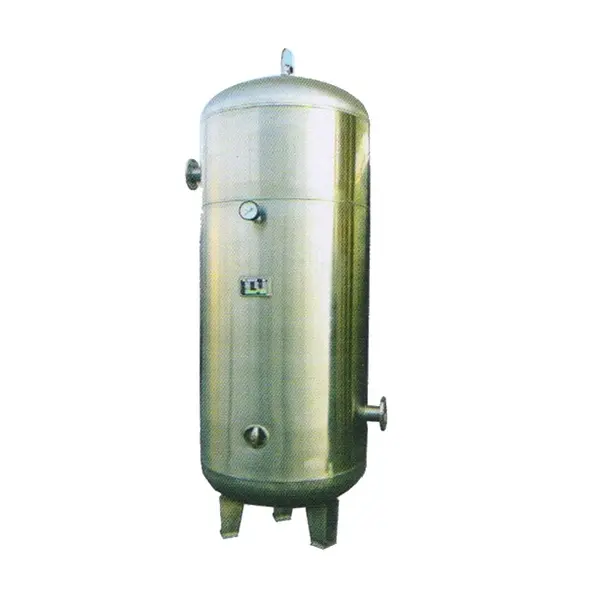
A compressed air storage vessel that stabilises output pressure, eliminates pipeline air flow pulsation, pre-cools the air and lets part of the liquid water precipitate. Made of high-quality carbon steel or stainless steel with advanced welding technology, and ISO 9001 certified.

  • Carbon steel or stainless steel
  • Advanced welding technology
  • ISO 9001 certified
  • Vertical and horizontal configurations
  • Suitable for screw, oil-free and special gas systems
  • OEM/ODM and wholesale supply
Air Receiver Tank for Air Compressor — compressed air storage vessel Raydafon air receiver tank — carbon steel or stainless steel, ISO 9001 certified

Four Core Functions of the Air Receiver Tank

The air receiver tank plays four essential roles in a compressed air system: buffering peak demand, smoothing pressure pulsation, pre-cooling and precipitating moisture, and enabling the compressor to shut down automatically when the tank is full at set pressure.

1

Buffer Peak Air Demand

Store air to meet the sudden and instantaneous increase in air consumption from downstream equipment.

2

Eliminate Pulsation

Store air and smooth out the pulsation of air flow in the pipeline for stable system pressure.

3

Pre-Cool & Precipitate Moisture

Pre-cool the air and allow part of the liquid water to precipitate. The tank must be drained regularly.

4

Auto Shut-Down & Energy Saving

When the tank is full at set pressure, the compressor shuts down automatically — avoiding continuous running and wasted electricity.

How to Choose the Air Receiver Tank

Theoretically, the larger the tank, the better — because a larger tank reduces the number of frequent compressor starts. The optimum size depends on the compressor start type and the stability of your air consumption profile.

Star-Delta Start

Star-delta start is a power frequency start with starting current around 7 times the rated current. Frequent starts damage the compressor's electrical parts, shorten their life, and put a heavy impact on the power grid, affecting other electrical equipment. A larger tank is strongly recommended.

VFD Start

A variable frequency air compressor uses soft start with starting current around 2 times the rated current, so the impact is much smaller. VFD compressors tolerate a smaller tank, but the tank still plays an important role in stabilising pressure and removing moisture.

  1. 1 Estimate peak air consumption Determine the sudden or instantaneous increase in air consumption required by the downstream equipment.
  2. 2 Identify the compressor start type Star-delta start benefits from a larger tank; VFD soft start tolerates a smaller tank.
  3. 3 Choose tank volume and orientation Select volume based on required pressure stability and start frequency; choose vertical or horizontal based on available floor space.
  4. 4 Confirm material and working pressure Select carbon steel or stainless steel depending on air quality requirements, and confirm working pressure and connection size.
  5. 5 Plan drainage and maintenance Install a drain valve and plan a regular drainage and inspection schedule to remove precipitated water.

Features of the Air Receiver Tank

Compressor Protection

Since the load range of an air compressor is relatively wide, frequent start/stop cycles increase valve wear and make the oil and gas circuits unstable. Fitting a properly sized tank reduces this situation significantly.

Energy Saving Effect

Frequent starts consume very high motor current. With a properly sized air receiver tank, the compressor runs more stably and no-load running time is reduced, avoiding unnecessary waste of idling energy.

Stable Air Source

With a tank in the system, the compressor's output air has a buffer zone. The air source can be better maintained at the set value, giving the system a constant pressure — essential for modern factories.

Good Air Quality

Compressed air from the compressor first enters the tank, where it stays for a period of time. Impurities and moisture can precipitate, and the air temperature drops. Even without a refrigerated dryer, relatively high-quality air can be delivered.

Frequently Asked Questions

What is the function of an air receiver tank for an air compressor?
An air receiver tank stores compressed air to stabilise output pressure, eliminates air flow pulsation in the pipeline, pre-cools the air and lets part of the liquid water precipitate, and allows the compressor to shut down automatically when the tank is full at set pressure so it does not run continuously and waste electricity.
Is it possible to use a screw air compressor without an air tank?
In most compressed air systems an air tank is required to balance system pressure and reduce frequent loading and unloading of the compressor. Only in special cases — such as a centrifugal compressor with large displacement, a very large pipe network, and very stable air consumption — is it possible to operate without an air tank.
How do I choose the right size of air receiver tank?
Theoretically, a larger tank is better because it reduces the number of frequent compressor starts. Star-delta start is a power frequency start with starting current around 7 times the rated current, so frequent starts damage electrical parts. VFD compressors use soft start with about 2 times rated current, so they tolerate smaller tanks. Confirm tank volume, orientation, working pressure and material against your air consumption profile.
What materials are used for Raydafon air receiver tanks?
Raydafon air receiver tanks are made of high-quality carbon steel or stainless steel using advanced welding technology, and are ISO 9001 certified. Carbon steel is standard for general industrial compressed air; stainless steel is available for higher air quality requirements.
Does the air receiver tank need regular maintenance?
Yes. The gas storage tank must be drained regularly to remove precipitated liquid water. The tank should also be inspected periodically as part of your compressed air system maintenance schedule.
Can I order OEM or customised air receiver tanks?
Yes. Raydafon supports OEM/ODM and wholesale supply. Send tank volume, orientation (vertical or horizontal), working pressure, material, connection size, quantity and destination port for a quotation.

Ordering & Supply Information

What to send for a fast quotation

Tank volume, orientation (vertical or horizontal), working pressure, material (carbon steel or stainless steel), connection size, quantity, destination port and OEM/packaging requirements.

Supply terms

Sample and trial orders accepted. Wholesale and OEM/ODM supported. Export packing: wooden case or pallet. Lead time depends on order quantity and stock status — confirm per order.

Get Your Air Receiver Tank Quote

Send tank volume, orientation, working pressure, material and destination port. Our team confirms the correct configuration and returns a quotation quickly.

Request Price & Configuration Chat on WhatsApp
Send Inquiry
Contact Info

Raydafon: Your One-Stop Service Provider for High-End Gas Equipment. From oil-free compression to PSA gas purification, we utilize cutting-edge technology to ensure reliability, offering a complete gas solution for industries with strict requirements for purity and performance.


Get the quote immediately and obtain your personalized gas solution!


X
We use cookies to offer you a better browsing experience, analyze site traffic and personalize content. By using this site, you agree to our use of cookies. Privacy Policy
RejectAccept