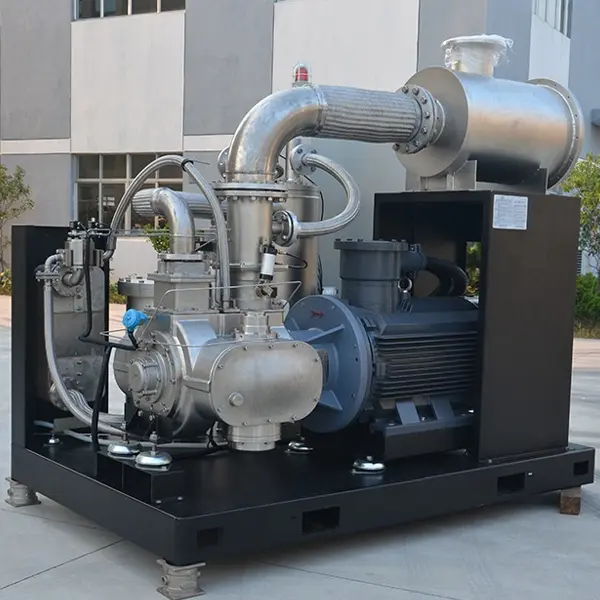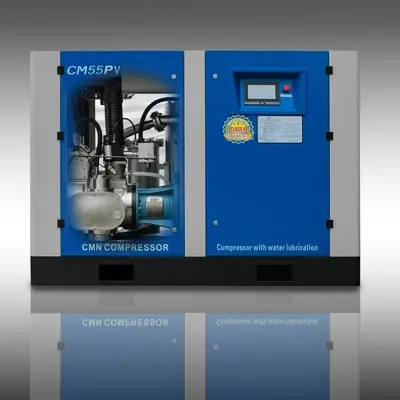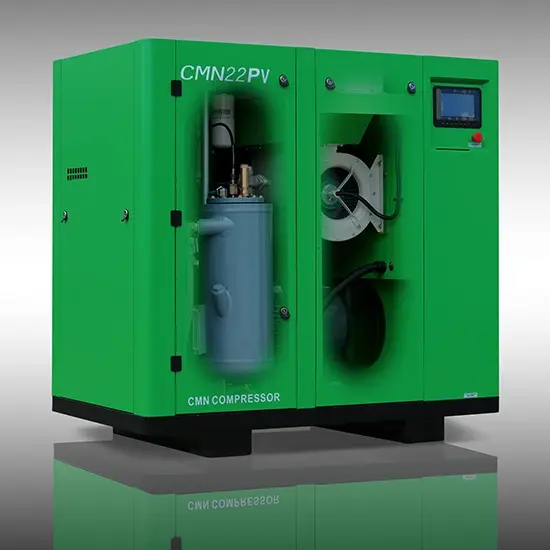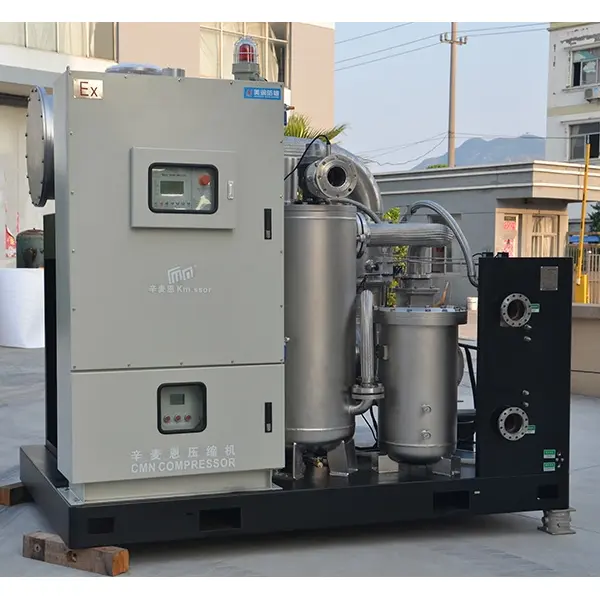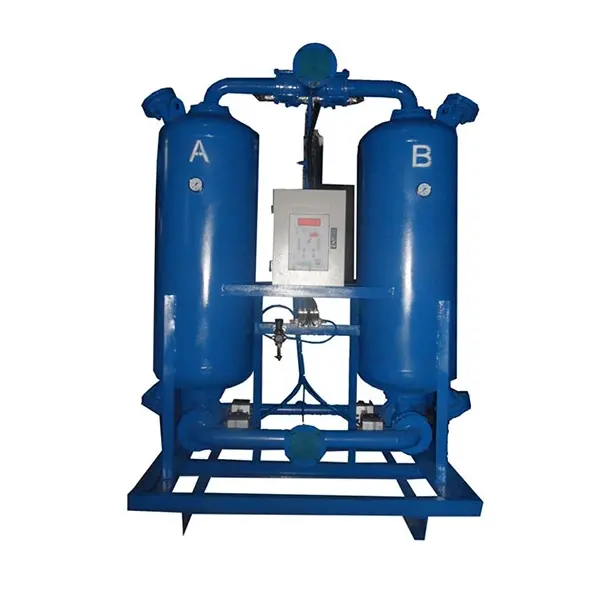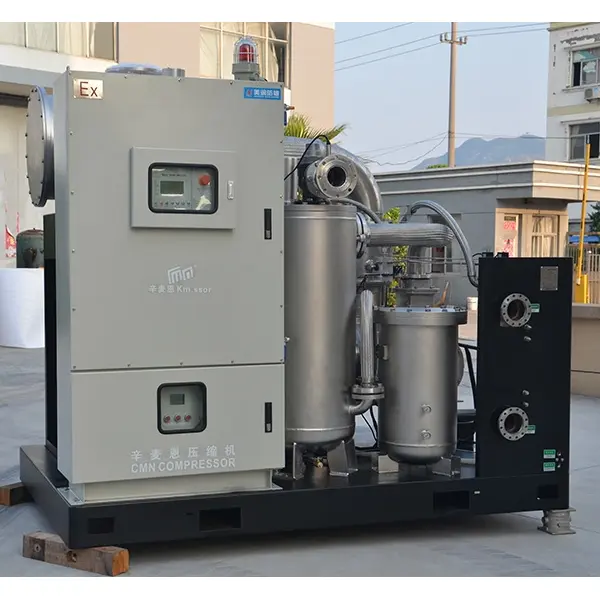
Imagine standing in a control room, watching renewable energy production surge during a sunny, windy afternoon. The grid can’t absorb it all, and you see gigawatt-hours of clean electricity at risk of curtailment. You ask yourself: how can we capture this excess power and deploy it when demand peaks hours or even days later? That’s where hydrogen energy storage enters the conversation—and with it, a critical question many procurement managers face: Can hydrogen compressors be used for energy storage? The short answer is yes, and they are not just a supporting component—they are the beating heart of any practical, large-scale hydrogen storage system. Compressors elevate low-pressure electrolytic hydrogen to the high densities needed for economical storage in tanks or underground caverns, turning intermittent renewables into a dispatchable, long-duration energy reserve. However, not every compressor can handle the unique challenges of hydrogen’s small molecule size, embrittlement risk, and demanding pressure ratios. Choosing the wrong system leads to inefficiency, costly downtime, and safety hazards. At Raydafon Technology Group Co.,Limited, we’ve engineered a new generation of hydrogen compressors that directly solve these pain points, enabling reliable, oil-free compression from 20 bar up to 1000 bar with minimal maintenance. In this guide, we’ll break down exactly how hydrogen compressors fit into energy storage, the technical hurdles you’ll face, and how Raydafon’s solutions can turn your storage project from a concept into a high-performance asset.
Hydrogen energy storage isn't just a laboratory concept; it's a commercially viable method to decouple energy supply from demand. The process starts with electrolysis, where surplus electricity splits water into hydrogen and oxygen. But raw hydrogen emerging from an electrolyzer typically sits at a modest 20–30 bar—far too low for efficient storage. That’s where the compressor makes its entrance. By boosting pressure to 200–1000 bar, the hydrogen becomes dense enough to fit into standard ASME-compliant vessels, salt caverns, or depleted gas fields. This compression step is essential because, without it, the volumetric energy density of hydrogen is just a fraction of what’s needed for utility-scale applications. For example, a 100 MW electrolysis plant producing 2,000 kg/hour of hydrogen needs a compression system capable of handling 45,000 Nm³/hour or more while maintaining purity, avoiding contamination, and operating with minimal downtime. That’s a fluid dynamics and material science challenge that off-the-shelf industrial compressors rarely meet. Procurement professionals in this space quickly discover that the magic isn’t just in the electrolyzer—it’s in the compressor’s ability to handle hydrogen’s aggressive behavior without oil carryover or seal failures. Here’s a quick look at how compressor choice impacts overall storage efficiency:
| Compressor Type | Typical Suction Pressure (bar) | Typical Discharge Pressure (bar) | Oil-Free? | Best Use Case |
|---|---|---|---|---|
| Reciprocating (piston) | 5–50 | up to 1000 | Yes (with dry rings) | High-pressure, variable flow |
| Diaphragm | 10–80 | up to 2000 | Yes | Ultra-pure hydrogen, sensitive applications |
| Centrifugal | 1–10 | up to 70 | Possible | High-flow, low-pressure ratio |
When an energy storage facility runs 8,000 hours a year, even a 2% efficiency gap means tens of thousands of dollars in wasted energy. Clearly, answering “Can hydrogen compressors be used for energy storage?” isn’t a checkbox exercise—it’s about matching the right technology to the specific storage architecture.
Picture this: your storage system has been online for six months, and suddenly throughput drops. Utlity inspections reveal micro-cracks on the compressor valve plates—classic hydrogen embrittlement. This nightmare scenario plays out often when conventional compressors are deployed without hydrogen-specific material upgrades. Another common pain point is oil contamination. Even trace amounts of lubricating oil can poison fuel cells downstream or degrade the purity required for chemical feedstock, rendering a multi-million-dollar storage system nearly worthless. Temperature management during compression is equally tricky; because hydrogen’s low molecular weight leads to high discharge temperatures, intercoolers and aftercoolers become critical, yet they add complexity and failure points. Furthermore, wide operating bands—required when the electrolyzer ramps up and down with renewable generation—strain most fixed-speed compressor trains. Raydafon Technology Group Co.,Limited recognized these recurring failure modes and developed a purpose-built solution. Our Hydrogen Compressor series uses high-nickel stainless steel alloys for all wetted parts, eliminates oil through a fully dry-lubricated design, and incorporates variable-speed drive technology that seamlessly matches flow to intermittent power input. This directly addresses the “Can hydrogen compressors be used for energy storage?” question at the engineering level: not only can they, but they must be specifically engineered for the task. Here’s how Raydafon mitigates the top three operational risks:
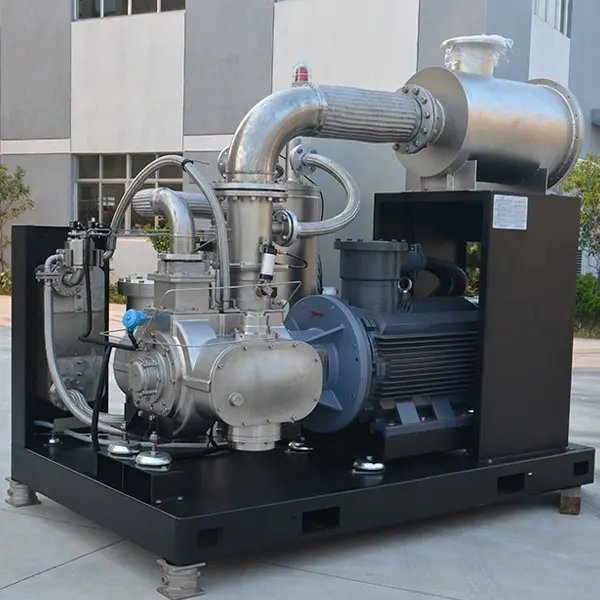
These features transform a traditional point of failure into a reliability anchor for energy storage developers.
When a European utility recently deployed a 50 MW hydrogen storage facility, they faced a dilemma: standard reciprocating compressors required frequent ring replacements every 4,000 hours, driving maintenance costs through the roof. After switching to a Raydafon RDH series, the mean time between overhauls jumped to 16,000 hours, and energy consumption dropped by 12% thanks to optimized valve dynamics. This real-world outcome demonstrates why custom-engineered hydrogen compression directly answers “Can hydrogen compressors be used for energy storage?” with an emphatic yes—when they’re built with storage cycles in mind. Our product line spans from compact 45 kW units suitable for pipeline injection to massive 750 kW machines that feed salt cavern storage at 200 bar. Central to their performance is a patented multiplex cylinder arrangement that balances gas forces, reducing vibration and extending packing life. The following table compares Raydafon’s two flagship models tailored for energy storage applications:
| Parameter | RDH-250 | RDH-750 |
|---|---|---|
| Inlet pressure range | 15–30 bar | 20–50 bar |
| Outlet pressure max | 450 bar | 1000 bar |
| Flow capacity | 250 Nm³/h | 750 Nm³/h |
| Motor power | 75 kW | 200 kW |
| Oil content in gas | 0 mg/m³ | 0 mg/m³ |
| Noise level | 78 dB(A) | 82 dB(A) |
These compressors are not just numbers on a datasheet; they are field-proven in projects ranging from German town gas blending to Australian remote area microgrids. Every unit undergoes a 72-hour full-load helium leak test before shipment, ensuring that the question “Can hydrogen compressors be used for energy storage?” never haunts your operations.
A common misstep for procurement teams is focusing solely on capital cost per kW. While upfront price matters, the total cost of ownership over a 20-year storage asset life can differ by a factor of three between a generic compressor and a hydrogen-optimized model. Begin by defining your storage profile: is it hourly buffering, daily shifting, or seasonal storage? For high-cycle daily operations, diaphragm compressors offer excellent purity but may require more frequent head replacements; for deep cycling with large volumes, our double-acting reciprocating machines provide an ideal balance. Next, evaluate the required pressure range. If you’re filling tube trailers at 500 bar, a three-stage model with intercooling is essential. For underground storage at relatively constant 100–200 bar, a single-stage booster may suffice. Noise regulations, footprint constraints, and hydrogen compatibility of downstream piping also play a role. Raydafon’s application engineers use a digital twin simulation to match compressor configuration precisely to your load profile, eliminating guesswork. This consultative approach ensures you can confidently affirm “Can hydrogen compressors be used for energy storage?” because you’ve selected the correct duty cycle. Our team also provides full skid integration with cooling water loops, control panels, and gas detection systems—reducing on-site assembly risk.
Q1: Can hydrogen compressors be used for energy storage in renewable energy systems?
A: Absolutely. Hydrogen compressors are the critical link that converts low-pressure electrolytic hydrogen into a dense, storable gas. Without compression, the volume of hydrogen generated by wind or solar farms would be too large to store economically. Raydafon’s specialized compressors handle the intermittent nature of renewables, ensuring that every kilogram of hydrogen can be banked for later use in fuel cells, power generation, or industrial processes.
Q2: What types of hydrogen compressors are best for energy storage applications?
A: The best choice depends on scale and purity requirements. For large-scale cavern storage, oil-free reciprocating compressors with dry-running piston rings dominate because of their high pressure capability and durability. For smaller, high-purity applications like vehicle refueling, diaphragm compressors are often preferred. Raydafon offers both types, each engineered with hydrogen-specific materials and variable-speed drives to maximize storage system ROI. Our team can help you determine the optimal configuration by analyzing your specific flow, pressure, and cycling needs.
Throughout this guide, we’ve explored the central role of hydrogen compressors in making energy storage viable, efficient, and safe. The question “Can hydrogen compressors be used for energy storage?” is answered not just by principles of physics but by the real-world performance of equipment designed for the task. Whether you are developing a green hydrogen hub, retrofitting a peaker plant, or planning a multi-megawatt storage facility, the compressor’s reliability directly determines your project’s bankability. We’d love to hear about your specific application challenges—drop a comment below or reach out to our team to discuss how Raydafon’s technology can be tailored to your needs. Your next step toward a resilient, hydrogen-based energy future starts with a conversation.
Raydafon Technology Group Co.,Limited is a world-leading manufacturer of high-pressure gas compression solutions, specializing in hydrogen, natural gas, and CO2 applications. With two decades of engineering excellence, we deliver tailored compressors that solve the toughest challenges in energy storage, chemical processing, and transportation. Our ISO 9001-certified facilities and rigorous R&D program guarantee that every machine meets international standards for safety and efficiency. Discover how we empower your energy transition by visiting https://www.raydafon-compressor.com or email our technical sales team directly at [email protected]. Let’s compress the future, together.
1. Niaz, S., Manzoor, T., Pandith, A. H., 2015, “Hydrogen storage: Materials, methods and perspectives,” Renewable and Sustainable Energy Reviews, Vol. 50, pp. 457-469.
2. Crotogino, F., Donadei, S., 2018, “Large-scale hydrogen storage in salt caverns – A technical and economic overview,” International Journal of Hydrogen Energy, Vol. 43(29), pp. 13361-13374.
3. Johansson, T., Nilsson, E., 2019, “Reciprocating compressor performance for hydrogen energy storage under fluctuating power supply,” Applied Energy, Vol. 252, 113438.
4. Li, M., Bai, Y., Zhang, C., 2020, “Oil-free diaphragm compressor for high-pressure hydrogen refueling and storage: A review,” Energies, Vol. 13(12), 3140.
5. Anderson, R., Ahmed, S., 2021, “Dynamic simulation of hydrogen compression systems in grid-scale energy storage,” Energy Conversion and Management, Vol. 237, 114107.
6. Ramirez, J. L., Garcia, P., 2017, “Materials selection for hydrogen compressor components to avoid embrittlement,” Engineering Failure Analysis, Vol. 82, pp. 234-248.
7. Kim, H., Park, S., 2022, “Optimal sizing of hydrogen compression for power-to-gas systems considering electrolyzer dynamics,” Renewable Energy, Vol. 187, pp. 944-957.
8. Tanaka, Y., Watanabe, K., 2016, “Thermodynamic analysis of multistage hydrogen compression for cavern storage with intercooling,” Cryogenics, Vol. 77, pp. 10-18.
9. Müller, K., Arlt, W., 2018, “Hydrogen compression using metal hydride technology: Potential for stationary energy storage,” Journal of Alloys and Compounds, Vol. 743, pp. 683-692.
10. Ramzan, N., Naveed, S., 2019, “Life cycle assessment of hydrogen compressor systems in renewable energy storage applications,” Sustainable Energy Technologies and Assessments, Vol. 34, pp. 173-181.