Learn the common causes and step-by-step checks for an oil-injected air compressor that won't start, including power supply, pressure switch, motor, and oil level issues.
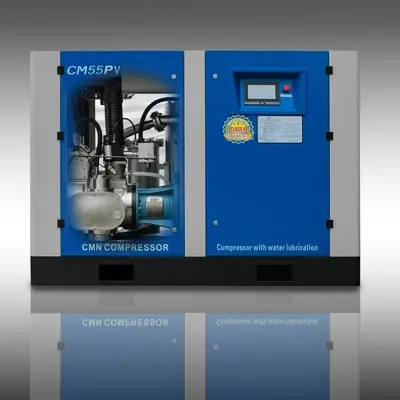
Water-injected screw compressors require regular maintenance to ensure reliable performance. Key tasks include checking and replacing the water filter and separator cartridge, monitoring water quality and conductivity, inspecting seals and bearings, cleaning or replacing air filters, and draining condensate. Routine checks of operating temperatures, pressures, and safety valves help prevent wear and extend service life.
Oil-injected air compressors typically contaminate the air with oil, which can ruin the paint finish, so they are not recommended for spray painting without high-quality filtration to remove oil and moisture.
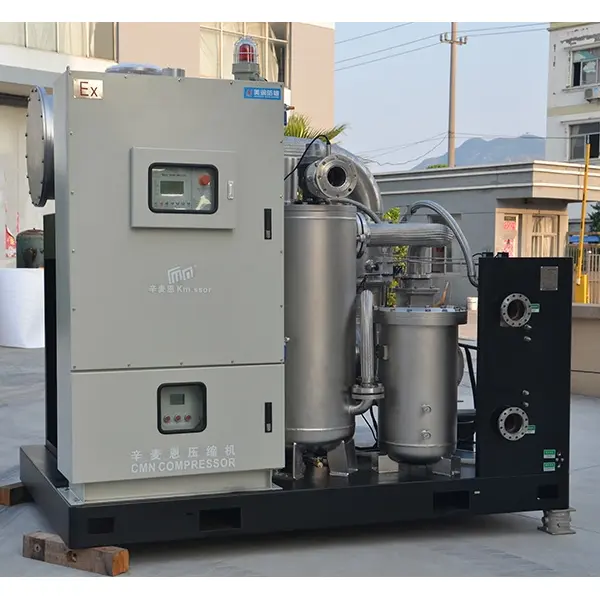
Special gas compressors are vital in semiconductor manufacturing because they safely handle and precisely deliver ultra-pure, often hazardous gases at consistent pressures, which is essential for achieving the extreme precision and contamination-free environment required in processes like etching and deposition.
Diesel particulate filter (DPF) regeneration is the process of burning off accumulated soot from the filter in the exhaust aftertreatment system, preventing clogging and maintaining engine performance and emission compliance.
Whether oilless scroll compressors need air dryers or filters depends on the desired air quality—while they deliver oil-free air, adding a dryer removes moisture and a filter catches particulates to protect downstream equipment and processes.
We use cookies to offer you a better browsing experience, analyze site traffic and personalize content. By using this site, you agree to our use of cookies. Privacy Policy

 14 2026-10
  06 2026-10
  06 2026-08
  30 2026-07
  29 2026-07