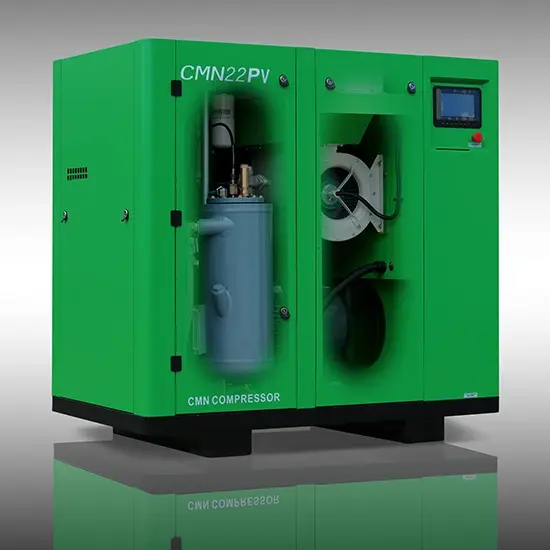
Oil injected screw compressors use a pair of intermeshing rotors to trap and compress air while a continuous stream of oil is injected into the compression chamber. The oil cools, seals clearances, and lubricates the rotors. After compression, the oil is separated from the air and recirculated, allowing the system to deliver a steady, efficient supply of compressed air.
Hydrogen compression requires specialized equipment and materials to handle its low density, high diffusivity, and embrittlement risks, unlike natural gas compression which uses conventional compressors due to the larger molecular size and established material compatibility.
This article explores the fundamental differences between reciprocating and centrifugal natural gas compressors, comparing their working principles, pressure and flow capabilities, and common industrial applications.
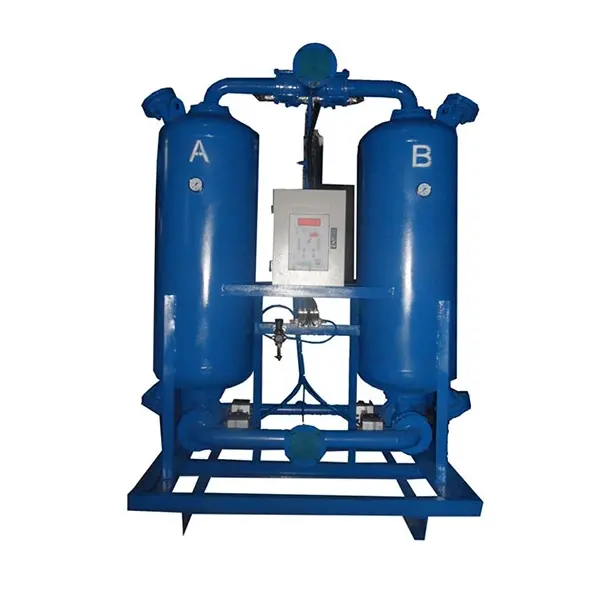
Learn about the initial purchase price and ongoing operational expenses of desiccant air dryers, including factors like energy use, maintenance, and replacement desiccant costs.
We use cookies to offer you a better browsing experience, analyze site traffic and personalize content. By using this site, you agree to our use of cookies. Privacy Policy

 22 2026-07
  21 2026-07
  14 2026-07
  13 2026-07
  06 2026-07
  03 2026-07