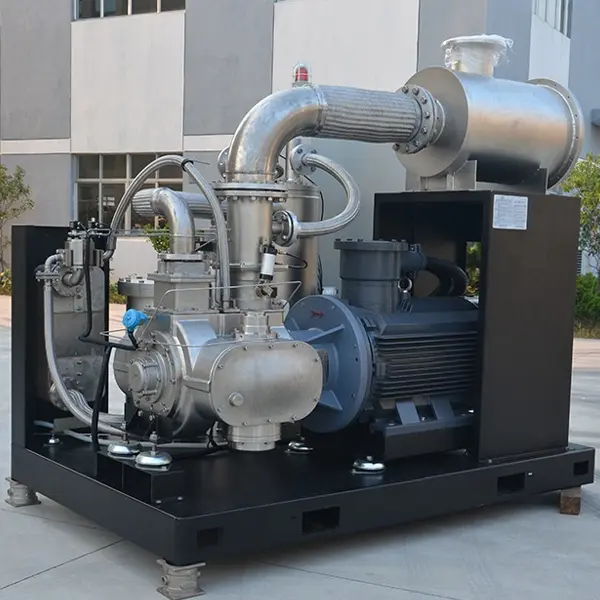
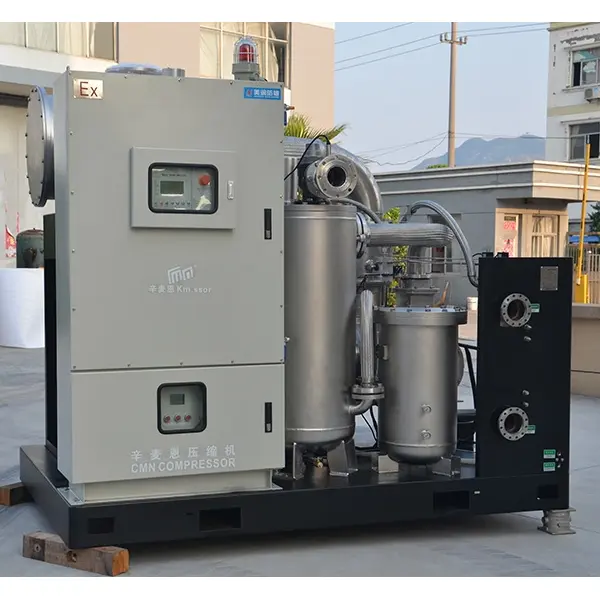
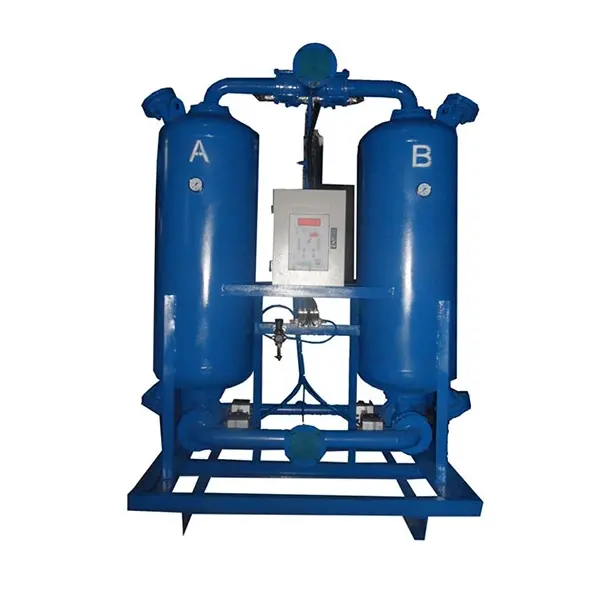
This article provides an overview of the energy efficiency ratings and classifications for specialized gas compressors, explaining the key metrics and standards used to evaluate their performance.
After-treatment equipment reduces harmful emissions like NOx and PM through specific technologies. For NOx, systems such as Selective Catalytic Reduction (SCR) use a reagent to convert nitrogen oxides into harmless nitrogen and water. For particulate matter (PM), Diesel Particulate Filters (DPF) physically trap soot particles and periodically burn them off. These technologies enable engines to meet stringent emission standards while maintaining performance.
An oilless scroll air compressor is considered clean air technology because it operates without lubrication, eliminating the risk of oil contamination and ensuring 100% oil-free compressed air.
Essential guidelines for safe operation of oil injected screw compressors, covering key precautions to prevent accidents and ensure equipment longevity.
Hydrogen compressors are specifically designed to handle the unique properties of hydrogen gas, such as its low density and high diffusivity, while traditional air compressors are built for compressing atmospheric air.
This article explores the environmental regulations governing natural gas compressor stations, including emissions standards, permitting requirements, and compliance measures.
We use cookies to offer you a better browsing experience, analyze site traffic and personalize content. By using this site, you agree to our use of cookies.Privacy Policy