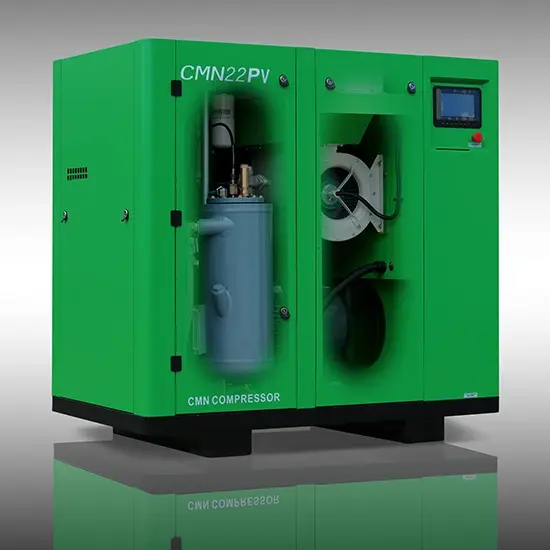
Oil-free air compressors are widely used in industries requiring clean, contaminant-free air, such as pharmaceuticals, food and beverage processing, electronics manufacturing, and healthcare. They are essential for applications where air purity is critical to product quality and safety.
Choosing the right oil for your oil-injected air compressor is crucial for its performance and longevity. This guide explains the different types of oils available and helps you select the best one for your specific compressor model and operating conditions.
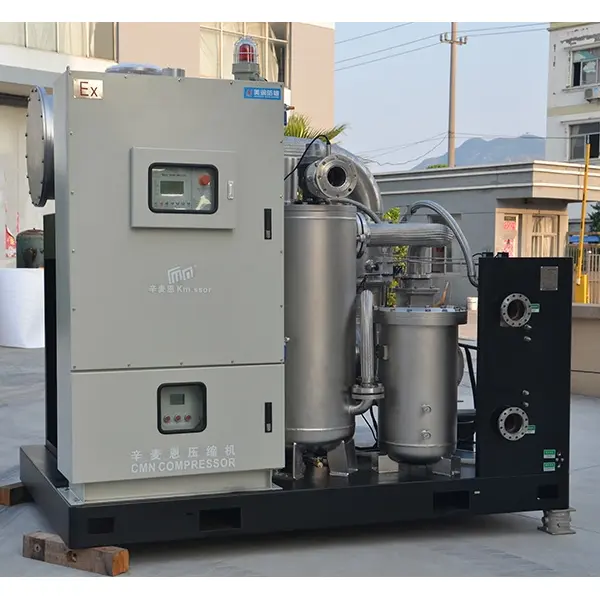
Cost considerations for purchasing a specialized gas compressor include factors like initial investment, energy efficiency, maintenance requirements, and operational durability.
This article explores the various types of after-treatment systems used to reduce harmful emissions from engines, detailing their functions and applications.
Oil-injected screw compressors are widely used in various industries due to their efficiency and reliability. Typical applications include manufacturing, where they power pneumatic tools and automation systems; the food and beverage industry for packaging and processing; construction for operating heavy machinery; and HVAC systems for large buildings. They are also essential in sectors like mining, pharmaceuticals, and textiles, providing continuous, high-pressure air for diverse operational needs.
We use cookies to offer you a better browsing experience, analyze site traffic and personalize content. By using this site, you agree to our use of cookies. Privacy Policy

 10 2026-04
  03 2026-04
  02 2026-04
  26 2026-03
  18 2026-03