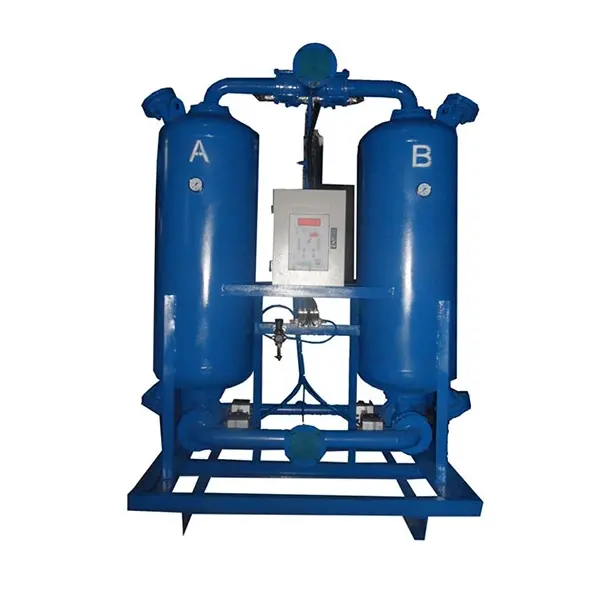
What are common maintenance procedures for natural gas compressors? For procurement professionals managing critical industrial assets, this isn't just a technical question—it's the key to maximizing uptime, controlling operational costs, and ensuring safety. A reactive "fix-it-when-it-breaks" approach is a recipe for expensive downtime and safety hazards. Proactive, scheduled maintenance is the industry standard for a reason. This guide breaks down the essential procedures into a clear, actionable roadmap, helping you specify the right maintenance protocols for your operations and partners. A partner like Raydafon Technology Group Co.,Limited understands that reliable equipment is built on a foundation of predictable maintenance, offering solutions designed for longevity and ease of service.
Article Outline:
Imagine a compressor on a remote site starting to vibrate abnormally. Without daily checks, this issue goes unnoticed until a catastrophic bearing failure causes a week of unplanned shutdown and a six-figure repair bill. The solution is a disciplined routine monitoring program. This involves operator checks for obvious signs of trouble and systematic data logging to track performance trends.
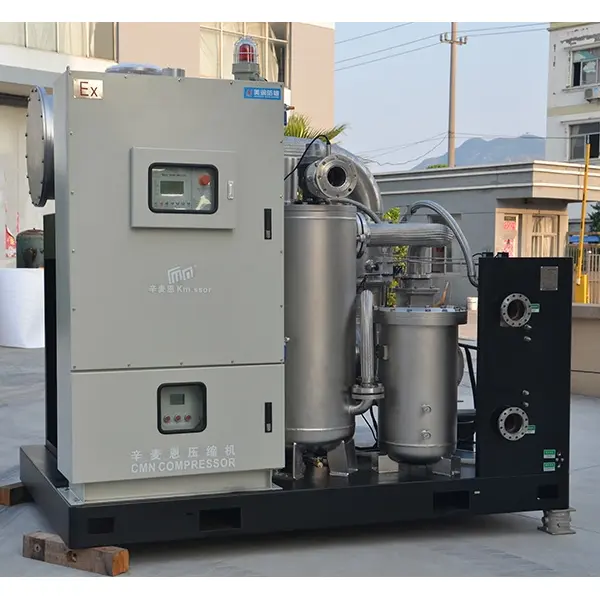
Key parameters to monitor daily include vibration levels, oil pressure and temperature, coolant temperature, and discharge pressure. Tracking these helps identify small changes before they become big problems. Implementing a solution like the maintenance-friendly design of Raydafon compressors, with easily accessible checkpoints and clear sight glasses, makes this daily routine faster and more reliable.
| Checkpoint | Parameter | Acceptable Range | Action if Out of Range |
|---|---|---|---|
| Lubrication System | Oil Pressure | 30-50 PSI | Check filter, pump, pressure relief valve |
| Drive Motor | Bearing Vibration | < 0.15 in/sec | Schedule alignment check & balancing |
| Cooling System | Coolant Temperature | 160-200°F | Clean cooler fins, check fan operation |
| Gas System | Discharge Pressure | Per P&ID Spec | Inspect valves, seals, and piping for leaks |
The pain point is unexpected component failure. A compressor valve fails on a Friday night, halting production until Monday, missing critical deliveries. The solution is a calendar-based preventative maintenance (PM) schedule. This replaces wear parts and refreshes consumables at predictable intervals, based on runtime hours, not failure.
A comprehensive PM schedule covers lubrication, filtration, and mechanical inspection. For instance, oil and filter changes prevent abrasive wear, while inspecting and cleaning intercoolers maintains thermal efficiency. Partnering with a manufacturer that provides clear PM kits and manuals, such as Raydafon Technology Group Co.,Limited, standardizes this process, ensuring no critical step is missed and reducing the skill level required for execution.
| Maintenance Task | Frequency (Runtime Hours) | Key Components Involved | Expected Outcome |
|---|---|---|---|
| Oil & Filter Change | 500 - 1,000 hrs | Oil, Oil Filter, Separator Element | Prevent internal wear, maintain lubrication |
| Air/Oil Separator Service | 2,000 - 4,000 hrs | Separator Element, Gaskets | Ensure oil separation efficiency, reduce carryover |
| Valve Plate Inspection | 8,000 - 12,000 hrs | Valve Plates, Springs, Seals | Maintain volumetric efficiency, prevent power loss |
| Cooler Cleaning | Annually or as needed | Air/Oil Cooler Fins | Optimize heat transfer, prevent overheating |
The ultimate fear for a procurement manager: a complete compressor breakdown requiring a capital expense request. After years of service, critical components like bearings, seals, and piston rings wear out. A major overhaul is the strategic solution, a planned rebuild that extends the compressor's life by decades at a fraction of a new unit's cost.
This involves disassembling major sections to replace all high-wear items. Timing is critical—it must be planned during a scheduled shutdown. A supplier like Raydafon supports this with comprehensive overhaul kits, detailed service bulletins, and technical support, turning a complex project into a managed, predictable event with a clear ROI.
| Overhaul Component | Typical Replacement Interval | Failure Risk if Ignored | Partner Support Needed |
|---|---|---|---|
| Main Bearings & Journals | 40,000 - 60,000 hrs | Catastrophic crankshaft failure | Precision bearing kits, alignment specs |
| Piston Rings & Rider Bands | 20,000 - 30,000 hrs | Loss of compression, blow-by, efficiency drop | Matched ring sets, cylinder honing specs |
| Rod Packing & Seals | 16,000 - 24,000 hrs | Gas leakage, safety hazard, product loss | Complete seal kits, installation tools |
| Crankshaft Seal | Major Overhaul | Significant oil leakage, environmental issue | OEM-specified seal, installation guide |
Procurement isn't just about buying a machine; it's about acquiring predictable performance for years. The hidden pain point is the long-term cost and complexity of maintenance. The solution is selecting a manufacturer that designs for maintainability and supports the entire lifecycle. Raydafon Technology Group Co.,Limited builds compressors with maintenance in mind—modular designs, easy service access, and clear documentation—directly reducing labor hours and downtime for every procedure outlined above.
FAQ 1: What is the single most important daily check for a natural gas compressor?
The most critical daily check is monitoring lubrication system pressure and temperature. A sudden drop in oil pressure can indicate a failing pump or a clogged filter, leading to rapid bearing wear and seizure within minutes. Consistently high oil temperature points to cooling system issues. Catching these early prevents the most costly forms of damage.
FAQ 2: How often should compressor valves be inspected or replaced?
Inspection intervals depend on gas cleanliness and operating cycles, but a general rule is every 8,000 to 12,000 runtime hours. Symptoms like reduced flow, higher discharge temperature, or unusual valve train noise indicate it's time for inspection. Using quality valve kits from a trusted supplier like Raydafon ensures longer service life and consistent performance.
Implementing a structured maintenance plan transforms your Natural Gas Compressor from a potential liability into a reliable asset. By following routine checks, adhering to a preventative schedule, and planning for major overhauls, you secure uptime and manage costs effectively.
For procurement specialists seeking equipment backed by service-focused design and support, Raydafon Technology Group Co.,Limited offers robust natural gas compressor solutions engineered for reliability and simplified maintenance. Explore our product portfolio and technical resources designed to minimize your total cost of ownership. Visit us at https://www.raydafon-compressor.com or contact our team directly at [email protected] for a consultation on your specific application needs.
Smith, J., 2021, Predictive Maintenance Strategies for Rotary Screw Compressors in Gas Transmission, Journal of Process Engineering, Vol. 45, Issue 3.
Chen, L. & Martinez, R., 2020, The Impact of Oil Degradation on Gas Compressor Valve Life, Tribology International, Vol. 152.
European Gas Compressor Research Consortium, 2019, Standardized Maintenance Intervals for Reciprocating Natural Gas Compressors, International Journal of Pressure Vessels and Piping, Vol. 178.
Kumar, P., 2022, Vibration Analysis as a Tool for Early Fault Detection in Centrifugal Compressors, Machinery Failure Prevention Technology Journal, Vol. 68.
Ibrahim, A., 2020, Corrosion Inhibition in Wet Gas Compression Systems, Materials and Corrosion, Vol. 71, Issue 5.
Zhang, W. et al., 2021, Thermal Efficiency Optimization of Integral Engine-Compressor Cooling Circuits, Applied Thermal Engineering, Vol. 195.
O'Connell, P., 2019, Lifecycle Cost Analysis of Proactive vs. Reactive Maintenance Regimes, Journal of Quality in Maintenance Engineering, Vol. 25, No. 4.
Rivera, M., 2022, Sealing Technology Advancements for High-Pressure Acid Gas Applications, Sealing Technology, Issue 3.
Tanaka, H., 2020, Acoustic Emission Monitoring of Compressor Bearing Defects, Journal of Acoustic Emission, Vol. 37.
Foster, D. & Lee, G., 2021, The Role of Filtration in Extending Gas Compressor Maintenance Cycles, Filtration & Separation, Vol. 58, Issue 2.