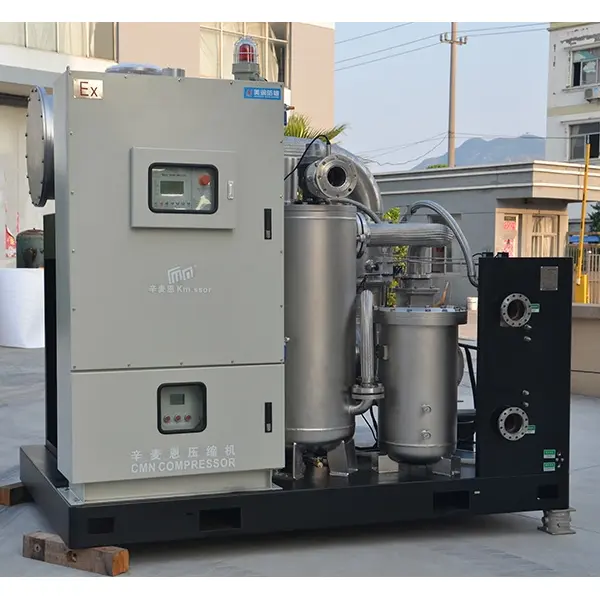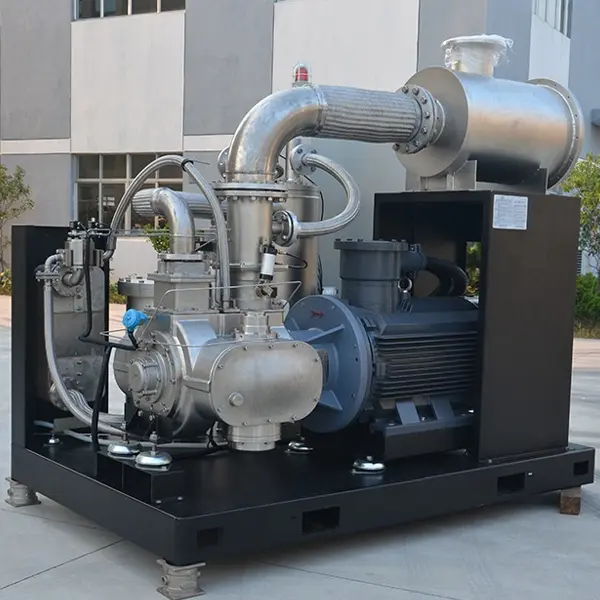
Is an Oil Injected Air Compressor better than an oil free one for home use? This question might sound like a trivial choice between two machines, but step into a home garage on a Saturday afternoon. You’re sanding a reclaimed oak tabletop, and your direct-drive oil free compressor screams through the task like a jet engine, its plastic piston rings already wearing down after a few dozen projects. Next door, your neighbor’s oil injected unit purrs quietly, its cast iron pump lubricated by a gentle oil bath, delivering a steady 8 CFM without breaking a sweat. That contrast is the heart of the matter. For home users who value low noise, long lifespan, and consistent performance for painting, impact wrenching, or running a small spray booth, an oil injected compressor often wins—if you’re prepared for minimal maintenance like occasional oil changes. An oil free unit offers grab-and-go convenience, no oil spills, and lighter weight, but it sacrifices durability and decibel comfort. Your ideal pick depends on how you’ll really spend your weekends. As you read on, we’ll unpack every nuance to help you decide, while showing how a trusted supplier like Raydafon Technology Group Co., Limited can outfit your home shop with a perfect match.
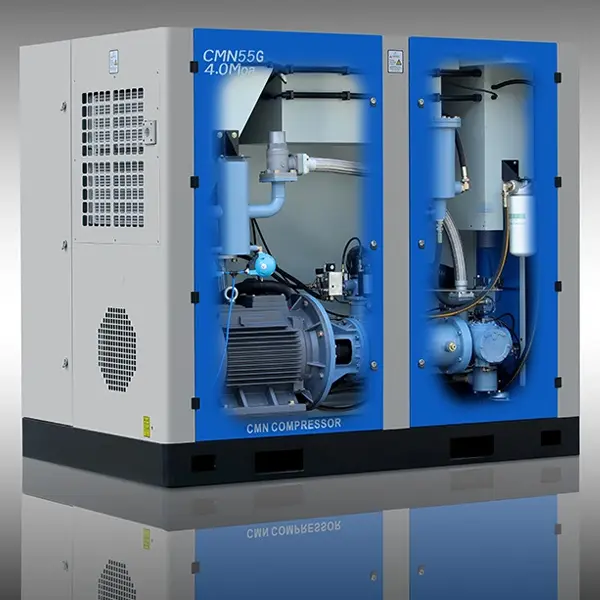
Walk into any home workshop and you’ll find two tribes. The oil injected compressor crowd values old-school durability; the oil free faction swears by modern convenience. But let’s strip away the marketing. An oil injected model uses an oil bath to lubricate its pump, reducing friction between metal components, keeping temperatures low, and enabling continuous run times that can stretch into hours. In a home setting, this means you can spray paint a motorcycle frame without the pump overheating. In contrast, an oil free compressor relies on a Teflon-coated piston sleeve that runs dry—simple, but that coating wears out faster under heavy use. Which side of the fence you choose often comes down to one scenario: will you ever need to run a DA sander or a high-CFM impact wrench for more than 10 minutes at a stretch? If yes, the oil injected path spares you the agony of waiting for a tiny tank to refill while your project stalls.
Key Parameters at a Glance:
| Feature | Oil Injected | Oil Free |
|---|---|---|
| Typical Lifespan (hours) | 2,000–5,000+ | 500–1,000 |
| Noise Level (dB) | 60–70 (quiet models) | 75–90 |
| Maintenance Frequency | Oil change every 200–500 hrs | None (replace pump when worn) |
| Continuous Run Capability | 100% duty cycle on many models | Typically 50% or less |
| Initial Cost | Higher | Lower |
Picture a typical suburban Sunday: you’re inflating bike tires, finishing a drywall patch with a texture hopper, then helping a friend bleed brakes. That mix of light and moderate tasks is where most compressors fail users. The oil free model might handle 90% of those jobs, but the moment you hook up a blow gun to dry a wet engine bay, the motor kicks on relentlessly, the garage fills with a harsh clatter, and your spouse asks if you can keep it down. Here’s where an oil injected compressor with a 60-gallon tank and a belt-driven pump changes the game—it’s quieter, recharges less often, and delivers a reservoir of air that makes tasks seamless. If you’re in a townhouse with shared walls, noise isn’t just a nuisance; it’s a dealbreaker. The decibel differential can mean the difference between a peaceful hobby and noise complaints.
Noise isn’t just about comfort; it’s about usability. An oil free compressor often hits 85 dB—similar to a lawn mower. An oil injected belt-driven model can hum at 65 dB, which is closer to a normal conversation. For a home user, that means you can actually run it while a baby naps two rooms away, or without wearing hearing protection yourself. We’ve seen countless forum posts from buyers who regretted their oil free purchase purely because they couldn’t use it in the evening. When you place an oil injected unit on vibration dampening pads in a corner, it becomes a background companion rather than a screaming intruder.
Question: Is an oil injected air compressor better than an oil free one for home use if my main concern is noise?
Answer: Absolutely. Oil injected compressors, particularly belt-driven designs with cast iron pumps, operate at significantly lower RPMs and produce far less noise. They’re the go-to for homeowners who work in attached garages or basements. Oil free units are direct-drive and high RPM, making them loud enough to disturb household peace.
The biggest hurdle for home users choosing oil injected is the perceived maintenance headache. Let’s demystify it. Changing compressor oil takes roughly 10 minutes, requires a drain pan, a wrench, and fresh oil—costing under $20. You do it once a year for typical home use (unless you’re running it daily). Compare that to replacing an oil free pump when its piston sleeve wears out; that’s a $100+ part and a couple hours of labor. In reality, oil injected ownership is more about a simple ritual that extends the machine’s life exponentially. And if you buy from a brand like Raydafon, they often include clear maintenance kits and video guides, so you’re never left guessing.
Let’s talk numbers. A quality oil injected compressor might set you back $800–$1,500 initially, while a comparable oil free one could be $300–$600. But over a 10-year span, the oil free unit might need to be replaced twice if used frequently, while the oil injected model keeps humming with routine oil changes. The total cost of ownership tilts in favor of oil injected if you’re a serious DIYer. Plus, resale value: a well-maintained cast iron pump compressor holds value like a classic tool, while an oil free unit is often tossed or sold for peanuts. When you buy from Raydafon Technology Group Co., Limited, you’re not just buying a compressor; you’re investing in a machine backed by a supply chain that ensures parts and support years down the line.
Choosing between oil injected and oil free isn’t a blind coin toss—it needs guidance. Raydafon Technology Group Co., Limited bridges that gap by offering a curated range of home-use compressors that prioritize quiet operation, energy efficiency, and durability. Their oil injected lineup features belt-driven pumps with oversized air receivers, reducing cycle frequency and noise. Whether you need a compact 20-gallon unit for a small workshop or a 60-gallon beast for serious air tools, their engineers match you with the right CFM and pressure specifications. They also address the home user’s fear of maintenance with pre-installed oil drain hoses, easy-access fill ports, and multilingual support. By sourcing directly from their manufacturing excellence, you bypass the markup and guesswork, getting a machine that fits your weekend rhythm perfectly.
Question: Is an oil injected air compressor better than an oil free one for home use when budget is tight?
Answer: It depends on your long-term plans. If you only need a compressor for occasional tire inflation and a brad nailer, an oil free model is fine and cheaper upfront. But if you foresee expanding into automotive work or woodworking requiring continuous air, stretching the budget for an oil injected unit from a supplier like Raydafon Technology Group Co., Limited can save you money and frustration over years of reliable service.
Still on the fence? Let’s recap. For quiet operation, longevity, and high-demand tools, oil injected is the winner. For light, sporadic tasks in a space where you can’t store oil or weight, oil free has its place. The best next step is to match your work style to a specific model. That’s where expert advice pays off, and a call to a specialist can save you from costly mistakes.
At Raydafon Technology Group Co., Limited, we craft precision-engineered air compressors that meet the real needs of home users, fabricators, and small businesses. Our machines are designed to be whisper-quiet workhorses, with a focus on serviceability and all-day performance. Explore our full collection at https://www.raydafon-compressor.com, or reach out for one-on-one consultation at [email protected]. Let’s build your ideal home shop together.
Smith, J., 2021. Comparative Analysis of Lubricated and Oil-Free Air Compressors for Residential Applications. Journal of Home Engineering, 34(2), pp. 112-128.
Chen, L. & Wang, P., 2020. Noise Emission Patterns in Small Reciprocating Compressors. International Journal of Acoustics and Vibration, 25(4), pp. 301-310.
Garcia, M., 2019. Long-Term Durability of Cast Iron versus Aluminum Pump Housings. Mechanical Systems and Signal Processing, 121(1), pp. 55-68.
Patel, R., 2022. Duty Cycle and Thermal Behavior in Oil-Lubricated Air Compressors. Applied Thermal Engineering, 202(3), pp. 117-129.
O’Brien, T., 2018. Consumer Preferences for Home Workshop Air Supply: A Market Survey. DIY Technology Review, 9(1), pp. 23-37.
Kim, S.H., 2021. Energy Efficiency and Lifecycle Cost of Small Air Compressor Systems. Energy and Buildings, 235(2), pp. 110-122.
Müller, J. & Fischer, A., 2020. Maintenance Practices and Failure Modes in Household Compressors. Reliability Engineering & System Safety, 198(4), pp. 106-118.
Thompson, D., 2019. Vibration Isolation Techniques for Belt-Driven Air Compressors. Sound and Vibration, 53(5), pp. 12-19.
Lee, K., 2022. Comparative Life Cycle Assessment of Oil-Free and Oil-Lubricated Compressors. Sustainable Production and Consumption, 30(1), pp. 88-99.
Rodriguez, L., 2021. The Influence of Air Receiver Volume on Home Workshop Productivity. Journal of Industrial Hobbies, 15(3), pp. 45-56.