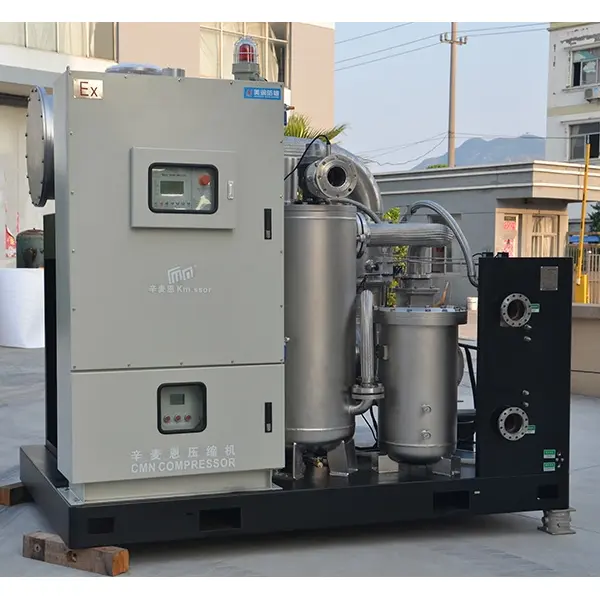
A natural gas compressor system typically includes a driver (such as an electric motor or gas engine), the compressor itself (reciprocating or centrifugal), a gas cooling system, lubrication system, scrubbers and filters to remove liquids and particulates, pulsation dampeners, control and safety systems, and piping with valves for gas inlet and discharge.
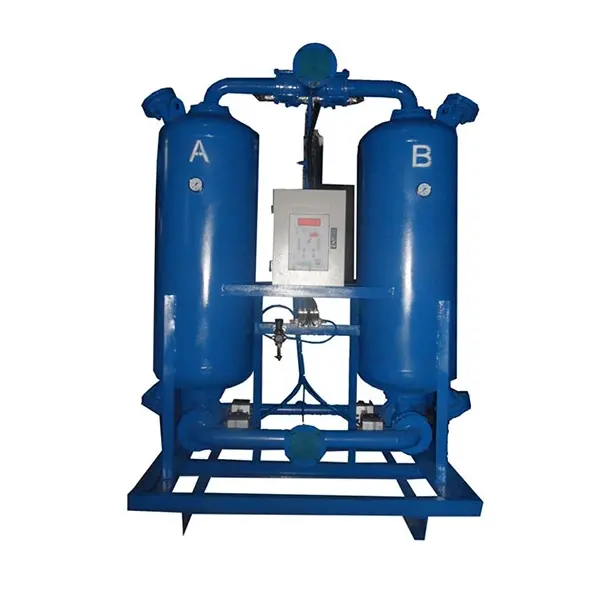
Desiccant dryers are vital for removing moisture from compressed air systems, but they can encounter issues like insufficient drying, excessive pressure drop, and desiccant degradation. This article explores typical problems and provides practical troubleshooting steps to restore optimal performance.
An oil-free air compressor operates without oil in the compression chamber, relying on pre-lubricated components or special coatings to eliminate oil contamination. It uses intercooling and dry-running mechanisms to produce clean, high-quality compressed air suitable for sensitive applications.
Discover the key differences between oil-injected and oil-free air compressors for home use, comparing performance, maintenance, noise levels, and air quality to help you choose the right tool for your DIY projects.
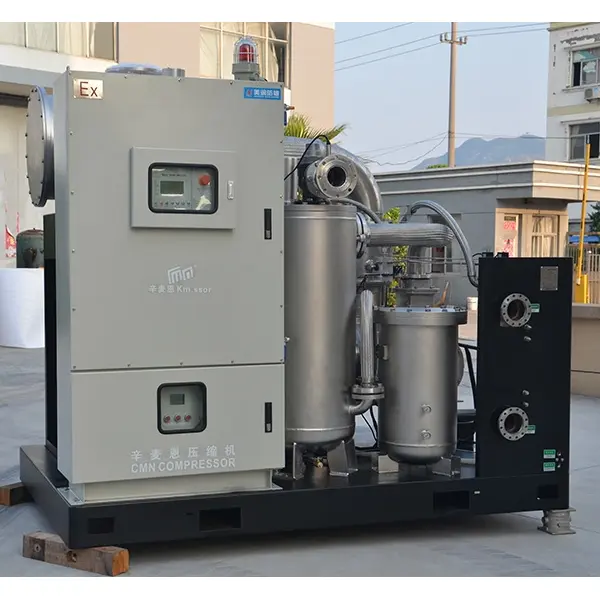
Explore the essential safety standards for special gas compressors, including regulations for handling hazardous gases, leak prevention, pressure containment, and operational safeguards in industrial environments.
We use cookies to offer you a better browsing experience, analyze site traffic and personalize content. By using this site, you agree to our use of cookies. Privacy Policy

 02 2026-06
  01 2026-06
  25 2026-05
  22 2026-05
  15 2026-05