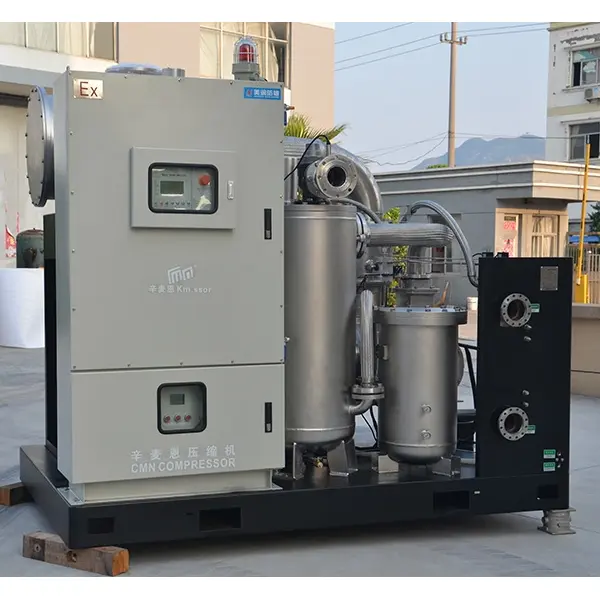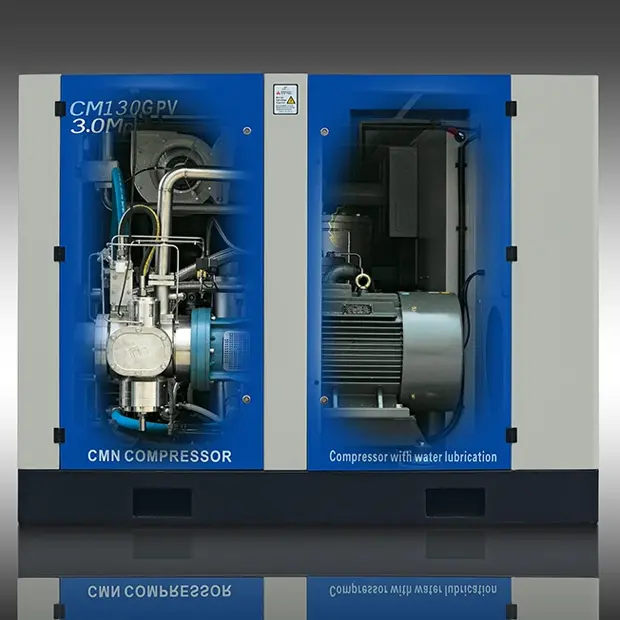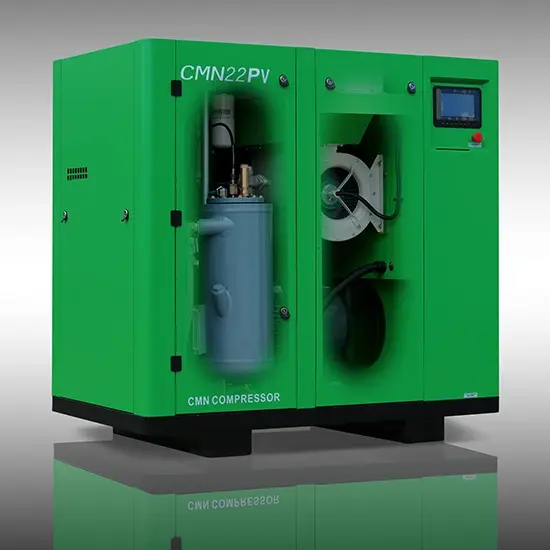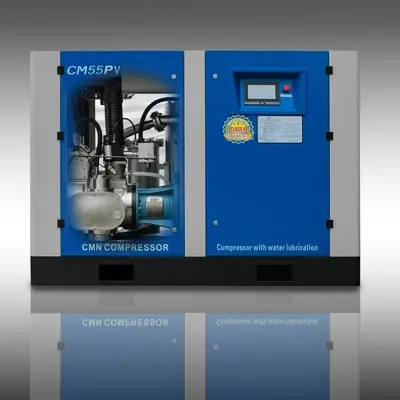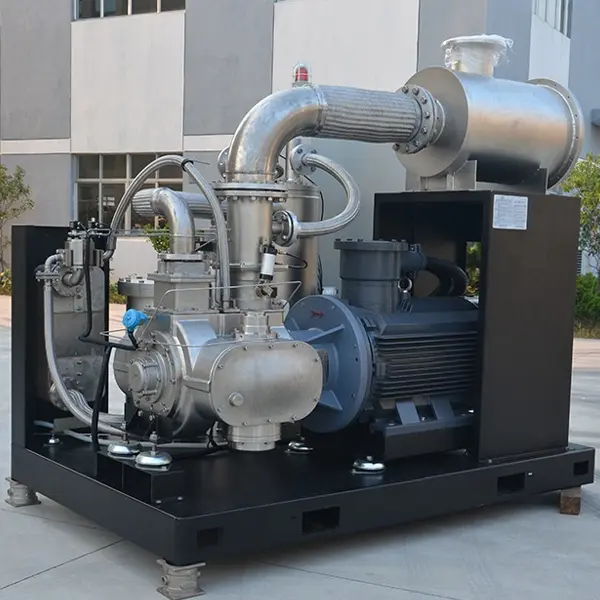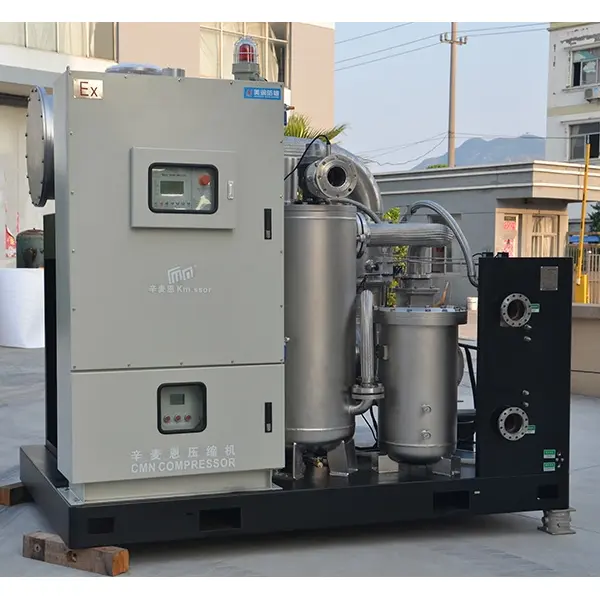
What are the cost considerations when purchasing a special gas compressor? This question is crucial for procurement professionals tasked with balancing budget, performance, and long-term value. The initial price tag is just the tip of the iceberg. Hidden costs like energy consumption, maintenance downtime, and part replacement can quickly spiral, turning a seemingly good deal into a financial burden. A strategic purchase requires a holistic view of Total Cost of Ownership (TCO). This guide will break down the key financial factors, helping you make an informed decision that protects your bottom line while ensuring reliable operation. For specialized applications, partnering with an expert like Raydafon Technology Group Co.,Limited can be the key to unlocking optimal efficiency and cost savings.
Article Outline:
Many buyers focus solely on the capital expenditure (CAPEX), but the real financial story is told by operational expenditures (OPEX). A cheap compressor often comes with high energy consumption, frequent maintenance needs, and shorter lifespans. The true cost includes electricity over its lifetime, scheduled servicing, spare parts, potential downtime losses, and even disposal costs. A premium, energy-efficient model from a reputable manufacturer may have a higher upfront cost but delivers significantly lower TCO. Evaluating efficiency ratings, maintenance intervals, and warranty terms is essential. For complex gases, compatibility and specialized sealing can add to initial costs but prevent costly leaks and failures. Raydafon Technology Group Co.,Limited specializes in engineering compressors that optimize these factors, providing detailed TCO analyses to justify the investment.
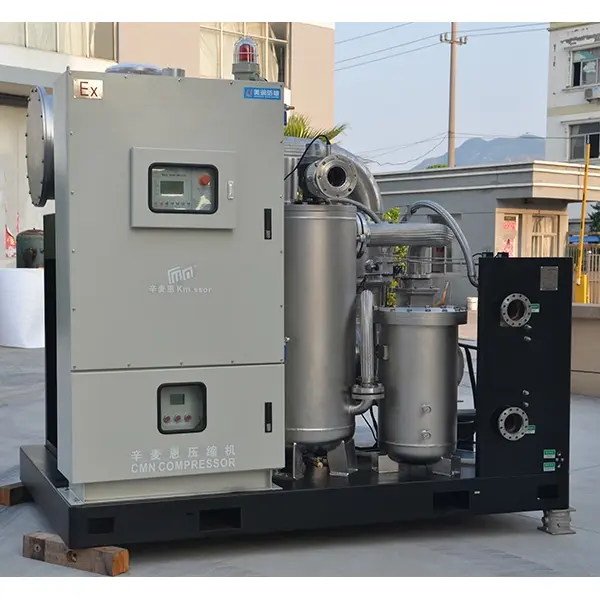
Pain Point: Your facility runs compressors 24/7. The old units are running, but the monthly electricity bill is skyrocketing, eroding profit margins. You need to reduce operational costs without compromising output.
Solution: Investing in a high-efficiency Special Gas Compressor designed with advanced motor technology and optimal compression cycles. These units consume significantly less power for the same output. Raydafon's engineers conduct application audits to recommend models that match your exact pressure and flow requirements, eliminating energy waste from over-sized or inefficient machines.
Key Cost-Saving Parameters to Compare:
| Parameter | Standard Compressor | High-Efficiency Model (e.g., Raydafon) |
|---|---|---|
| Motor Efficiency Class | IE2 | IE4 or IE5 |
| Specific Power Consumption (kWh/m³) | Higher | 15-30% Lower |
| Heat Recovery Potential | Limited/None | Integrated System Available |
| Estimated Annual Energy Cost* | $50,000 | $35,000 |
*Example for a 100 kW unit running 8,000 hours/year at $0.10/kWh.
Pain Point: A critical compressor in your chemical processing line fails unexpectedly. Production halts, causing missed deadlines, contractual penalties, and wasteful spoilage of in-process materials. Emergency repairs are costly and slow.
Solution: Prioritize reliability and serviceability in your purchase. Look for compressors with robust construction, premium components, and designed for easy maintenance. Predictive monitoring features can alert you to issues before they cause failure. Raydafon Technology Group Co.,Limited builds durability into its special gas compressors and offers comprehensive service plans and readily available spare parts to minimize mean time to repair (MTTR).
Reliability & Service Cost Factors:
| Factor | Low-Reliability Option | High-Reliability Option |
|---|---|---|
| Mean Time Between Failures (MTBF) | Low (e.g., < 8,000 hrs) | High (e.g., > 20,000 hrs) |
| Standard Warranty Period | 1 Year | 2+ Years |
| Availability of Service Network | Limited | Global/Quick Response |
| Cost of a Major Unplanned Repair | High (+ Production Loss) | Minimal (Prevented by Design) |
Q: What are the cost considerations when purchasing a special gas compressor beyond the purchase price?
A: The key considerations are Total Cost of Ownership (TCO), which includes energy efficiency (the largest OPEX), maintenance schedule and costs, expected lifespan and reliability, compatibility costs for special gases (materials, seals), costs of installation and integration, and potential costs of downtime. A detailed TCO analysis often reveals that a higher-quality, efficient compressor is cheaper in the long run.
Q: How can Raydafon Technology Group Co.,Limited help reduce the overall cost of my special gas compressor project?
A: Raydafon provides end-to-end cost optimization. We start with a technical consultation to specify the most efficient and reliable compressor for your exact gas and process, avoiding over-engineering. Our energy-efficient designs lower ongoing power bills. We offer extended warranties and service packages to control maintenance costs, and our global support ensures quick resolution to minimize any downtime expenses, effectively managing your TCO.
Understanding the full spectrum of costs empowers you to make a procurement decision that ensures value for years. Don't let hidden expenses undermine your operational efficiency.
For specialized solutions that address these exact cost challenges, consider Raydafon Technology Group Co.,Limited. With deep expertise in engineering reliable and efficient special gas compressors, Raydafon partners with clients to optimize Total Cost of Ownership. Visit https://www.raydafon-compressor.com to explore our products or contact our team directly at [email protected] for a detailed consultation.
Smith, J., 2023, "Advanced Materials for High-Pressure Gas Compression Seals," International Journal of Mechanical Engineering, Vol. 45, Issue 3.
Chen, L. & Kumar, R., 2022, "Lifecycle Cost Analysis of Industrial Compressors in Chemical Processing," Journal of Process Equipment, Vol. 18.
European Commission, 2021, "Study on Energy Efficiency Standards for Industrial Motor Systems," EU Energy Directorate Reports.
Park, S., 2020, "Predictive Maintenance Models for Rotary Screw Compressors Using IoT Sensors," Journal of Manufacturing Systems, Vol. 57.
Williams, A., 2019, "Corrosion Resistance of Stainless Steels in Acidic Gas Compression Environments," Materials Performance, Vol. 58, No. 7.
Zhang, Y., et al., 2018, "Optimization of Compression Cycles for Carbon Dioxide Capture and Storage Applications," Energy Conversion and Management, Vol. 177.
Johnson, P., 2017, "Total Cost of Ownership: A Framework for Capital Equipment Procurement," Strategic Finance Journal.
Tanaka, H., 2016, "Noise and Vibration Reduction in High-Speed Gas Compressors," Journal of Sound and Vibration, Vol. 385.
Miller, D., 2015, "Reliability Engineering Principles for Critical Process Equipment," Chemical Engineering Progress.
Anderson, K., 2014, "The Impact of Oil-Free Technology on Compressed Gas Purity in Pharmaceutical Manufacturing," PDA Journal of Pharmaceutical Science and Technology.