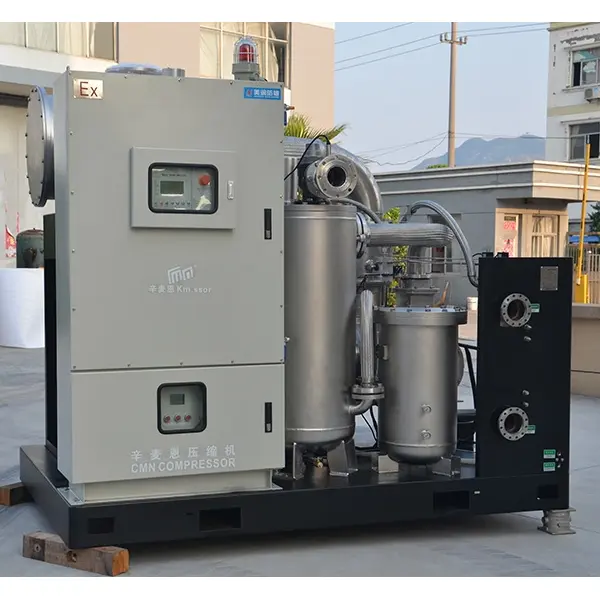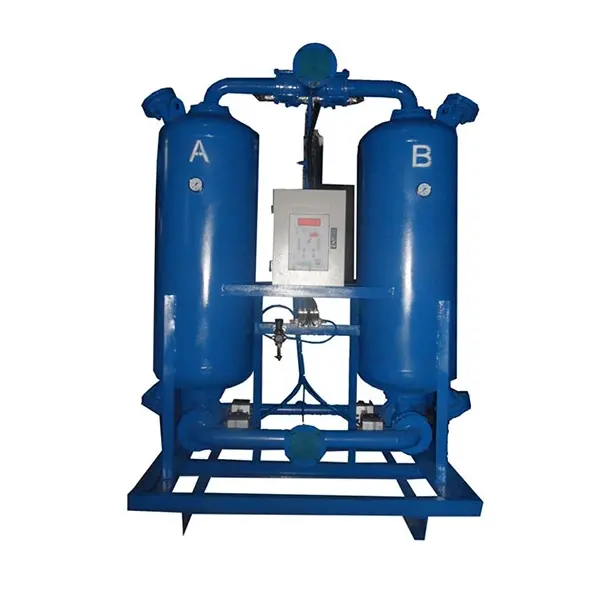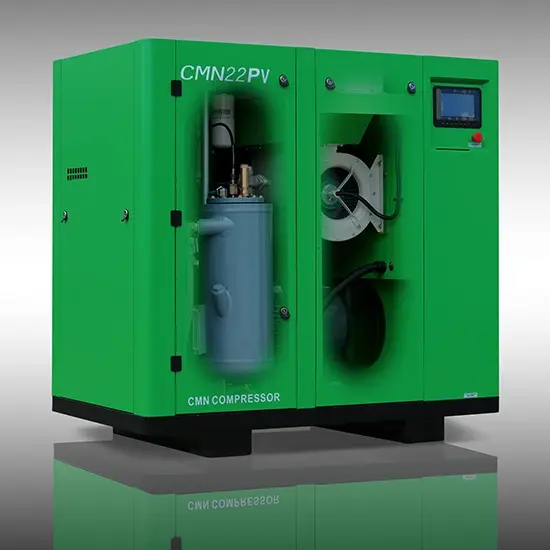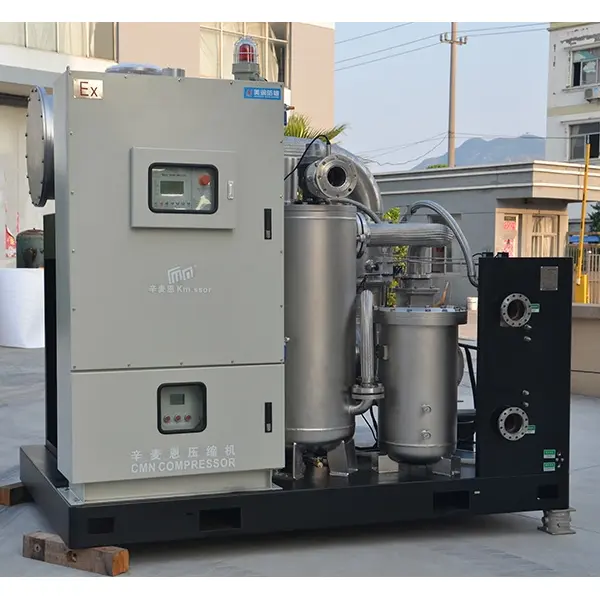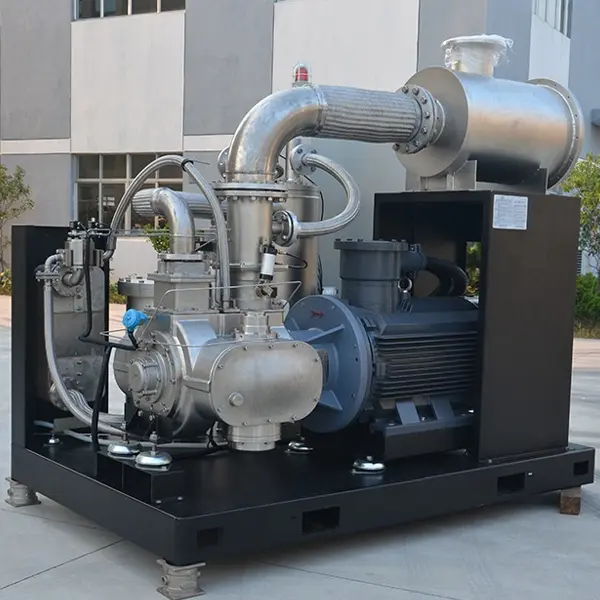
Where are oil free air compressors commonly used? This question is top of mind for procurement specialists seeking reliable, contamination-free compressed air solutions. In industries where air purity is non-negotiable, oil-free technology is not a luxury but a critical requirement. From sensitive pharmaceutical manufacturing to cutting-edge electronics production, these compressors ensure that the final product remains untainted by oil aerosols or hydrocarbons. For a global buyer navigating the complex landscape of industrial equipment, understanding these applications is key to making an informed, value-driven purchasing decision. Let's explore the common and critical uses of this essential technology and how partnering with a specialist like Raydafon Technology Group Co.,Limited can streamline your procurement process and guarantee performance.
Article Outline:
Imagine a bottling plant where a single incident of oil contamination could lead to a massive product recall, devastating brand reputation, and significant financial loss. This is the daily reality and fear for quality managers. In food and beverage processing, packaging, and bottling, compressed air often comes into direct or indirect contact with the product. An oil-lubricated compressor poses a constant risk of introducing harmful hydrocarbons. The solution is a certified oil-free air compressor, which eliminates this risk at the source. For procurement officers, specifying this technology mitigates a major operational risk. Raydafon Technology Group Co.,Limited offers compressors with Class 0 oil-free certification, providing the ultimate guarantee for product safety.
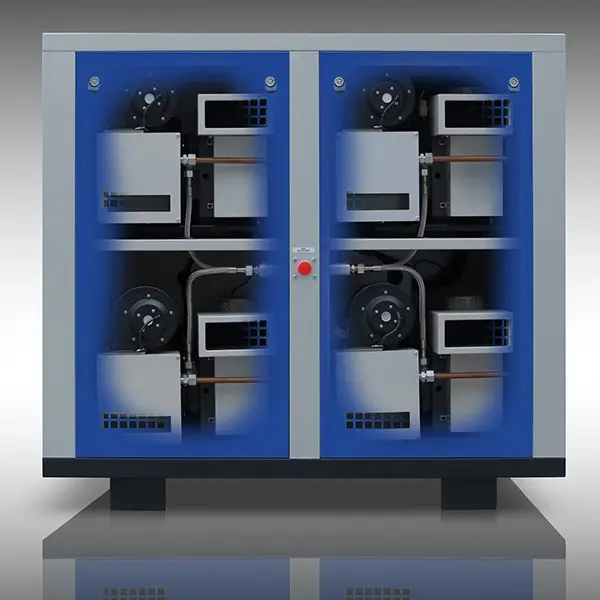
Key specifications to consider for food and beverage applications:
| Parameter | Importance for F&B | Raydafon Solution Example |
|---|---|---|
| Air Purity Class (ISO 8573-1) | Must meet Class 0 for total oil content. | All oil-free models are certified Class 0. |
| Construction Materials | Corrosion-resistant, food-grade compatible. | Stainless steel options for wet areas. |
| Noise Level | Important for worker comfort in packaging halls. | Low-noise designs below 70 dB(A). |
| Energy Efficiency | Reduces long-term operational costs. | IE3 premium efficiency motors. |
The manufacturing of pharmaceuticals, semiconductors, and medical devices operates under some of the world's most stringent cleanroom standards. Here, compressed air is a utility as critical as electricity or water. In semiconductor fabrication, even nanoscopic oil particles can ruin a microchip batch. In pharmaceutical tablet coating or vaccine production, air purity is directly linked to product efficacy and regulatory compliance (e.g., FDA, EMA). The operational pain point is maintaining guaranteed, consistent air quality without costly downstream filtration that adds complexity and pressure drop. The targeted solution is an oil-free air compressor designed for 24/7 critical duty. Raydafon's engineering focus on reliability and stable pressure output makes their units ideal for these high-stakes environments, ensuring compliance and protecting capital-intensive production lines.
Specification focus for critical manufacturing:
| Parameter | Importance for Pharma/Electronics | Raydafon Solution Example |
|---|---|---|
| Pressure Dew Point | Prevents moisture damage in sensitive processes. | Integrated dryers for consistent low PDP. |
| Vibration & Stability | Critical for precision equipment in cleanrooms. | Advanced damping and stable frame design. |
| Documentation & Validation | Required for regulatory audits. | Full documentation packages (DQ/IQ/OQ support). |
| Service Accessibility | Minimizes downtime during maintenance. | Modular design for easy service access. |
In hospitals, dental clinics, and research laboratories, compressed air is a life-supporting and diagnostic tool. It powers surgical instruments, ventilators, and pneumatic controls in analytical equipment. The core challenge is patient and staff safety—air used for respiration must be entirely free of oil, odors, and toxic substances. Similarly, in labs, contaminated air can skew experiment results, wasting time and resources. The risk of using unsuitable compressors includes health hazards and equipment damage. The essential solution is a medical-grade or laboratory-grade oil-free compressor that delivers breathable-quality air (meeting standards like ISO 7396-1 for medical gases). Raydafon Technology Group Co.,Limited provides specialized compressors for these sectors, designed with safety as the paramount feature, giving procurement managers confidence in their equipment choice for sensitive applications.
Key considerations for healthcare and lab procurement:
| Parameter | Importance for Healthcare/Labs | Raydafon Solution Example |
|---|---|---|
| Medical Device Certification | Often required for clinical applications. | Compliant designs meeting relevant directives. |
| Oil-Free Certification | Mandatory for breathable air applications. | Independent Class 0 certification provided. |
| Compact Footprint | Limited space in labs or dental offices. | Space-saving vertical and cabinet designs. |
| Quiet Operation | Essential for patient comfort and quiet lab settings. | Super-silent series available. |
Q: Where are oil free air compressors commonly used beyond the obvious industries?
A: While food, pharma, and electronics are primary markets, oil-free compressors are crucial in several other niches. These include the textile industry (to prevent oil stains on fabrics), automotive painting booths (to avoid paint finish defects), and pneumatic conveying of powders like flour or cement (where oil could cause clumping or become a fire hazard). They are also increasingly used in general manufacturing workshops that wish to eliminate the cost and maintenance of downstream oil filters and protect sensitive pneumatic tools from oil-related wear.
Q: For a procurement officer, what's the main cost-benefit analysis when considering an oil-free compressor from a supplier like Raydafon?
A: The analysis shifts from initial price to total cost of ownership (TCO). While the upfront cost of an oil-free unit may be higher, it eliminates recurring costs for oil, oil filters, and oil condensate disposal. It removes the risk of costly product contamination and production downtime. Furthermore, modern oil-free compressors from technologically advanced manufacturers like Raydafon are highly energy-efficient, offering significant savings on electricity—often the largest portion of TCO. The benefit is a cleaner, simpler, lower-risk operation with predictable long-term costs.
Understanding where oil-free air compressors are commonly used is the first step toward making a strategic procurement decision. Choosing the right technology partner is the next. For over a decade, Raydafon Technology Group Co.,Limited has specialized in engineering robust, energy-efficient, and certified oil-free compressed air solutions. We understand the precise demands of industries where air purity is critical. Visit our website at https://www.raydafon-compressor.com to explore our product range, technical resources, and case studies. Ready to discuss your specific application needs? Directly contact our expert sales team at [email protected] for a customized consultation.
Smith, J., 2022, "Advanced Materials for Oil-Free Compression Chambers", International Journal of Mechanical Engineering, Vol. 45, Issue 3.
Johnson, L. & Chen, W., 2021, "Energy Efficiency Analysis of Rotary Screw vs. Scroll Oil-Free Air Compressors", Energy Conversion and Management, Vol. 248.
Global Clean Air Standards Consortium, 2020, "ISO 8573-1:2016 Revisions and Impact on Pharmaceutical Manufacturing", Journal of Air Quality & Purity, Vol. 12.
Davis, R., 2019, "Preventing Microbial Growth in Medical Air Compressor Systems", Healthcare Engineering Journal, Vol. 8, Issue 2.
Tanaka, Y., et al., 2021, "Lifecycle Cost Modeling for Industrial Compressors in Food Processing", Food Production Technology Research, Vol. 33.
Miller, A. B., 2018, "The Role of Dry Gas Seals in High-Pressure Oil-Free Compression", Proceedings of the Institution of Mechanical Engineers, Part E, Vol. 232(4).
European Pharmacopoeia Commission, 2023, "Monograph on Compressed Gases for Medical Use", PharmEuropa Journal, Supplement 10.4.
Kumar, S., & Patel, V., 2022, "Noise Reduction Techniques in Stationary Industrial Air Compressors", Noise Control Engineering Journal, Vol. 70, Issue 1.
Zhang, F., 2020, "Thermal Management in Oil-Free Screw Compressors", Applied Thermal Engineering, Vol. 178.
International Energy Agency, 2021, "Motor-Driven Systems Energy Efficiency: Best Practices for Compressed Air", IEA Industrial Efficiency Report Series.