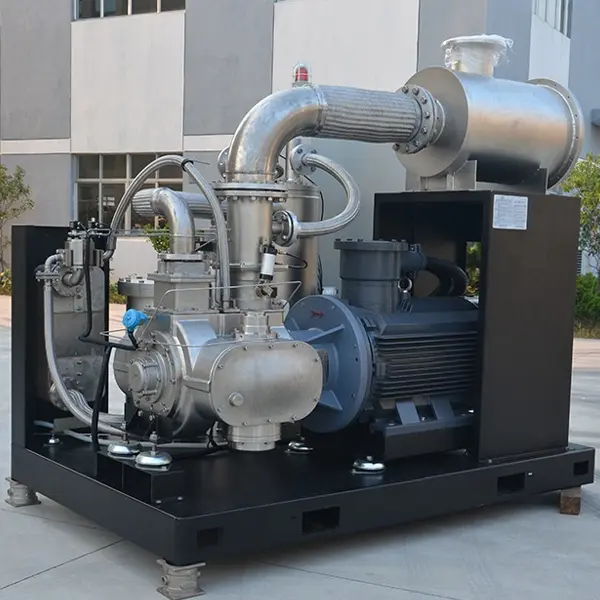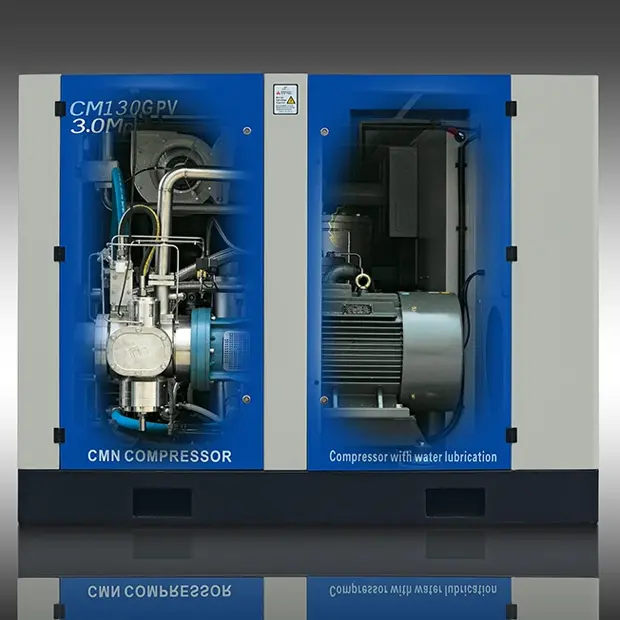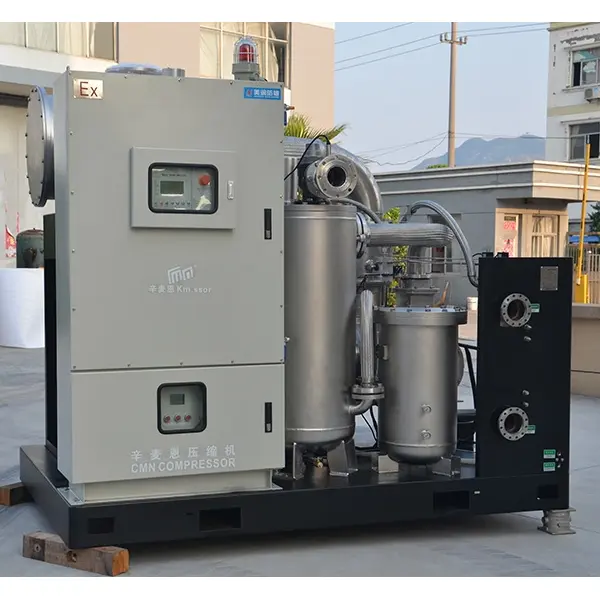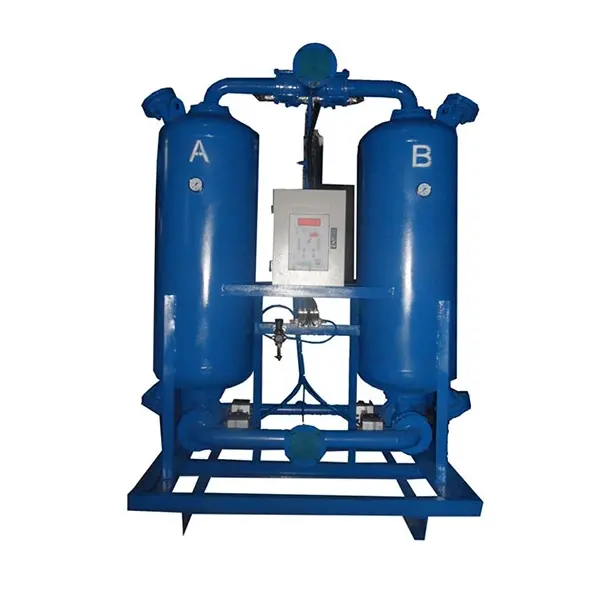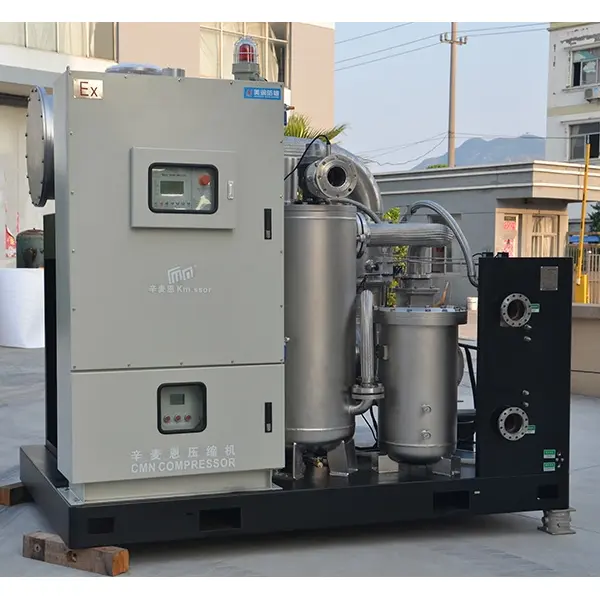
How to maintain after treatment equipment? For procurement managers navigating the complexities of industrial compressed air systems, this question often arises during budget reviews and downtime post-mortems. Consider a real-world scenario: an automotive parts manufacturer ignored its coalescing filters for six months. The result was oil-laden air contaminating paint finishes, leading to a 12% scrap rate and a costly recall. Proper maintenance isn’t merely a technical checklist; it’s a risk management strategy that safeguards product quality and your bottom line. At Raydafon Technology Group Co., Limited, we understand that your focus is on total cost of ownership and operational continuity. That’s why we engineer After Treatment Equipment for accessible serviceability and integrated monitoring. In this guide, we translate complex theory into straightforward routines that save money and prevent disruption. From daily inspections to filter change intervals, you’ll discover actionable steps derived from two decades of industry insight. Plus, we address your pressing questions and show how our solutions turn maintenance from a chore into a competitive advantage.
Imagine starting your shift only to find that your refrigerant dryer is tripping the circuit breaker. This common scenario often stems from overlooked daily checks. A clogged condenser coil forces the compressor to overwork, leading to premature failure. In one case at a packaging plant, a $0.50 O-ring leak caused a $5,000 repair bill and two days of lost production. The solution is a rigorous daily walk-around. Train your team to visually inspect hoses, check drain operation, and listen for abnormal noises. Raydafon’s after treatment equipment features easily accessible components and digital displays that simplify these checks. For instance, our refrigerated dryers include a built-in dew point indicator that alerts you to performance drops before they escalate.
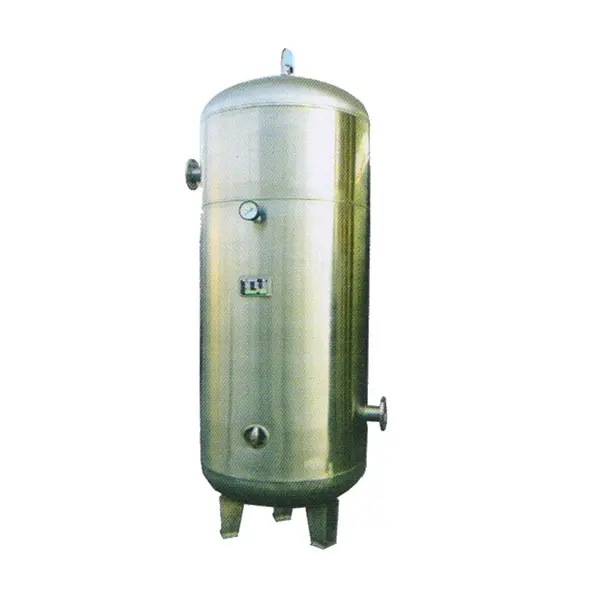
| Component | Check Item | Ideal Parameter | Action if Out of Spec |
|---|---|---|---|
| Refrigerated Dryer | Condenser coil cleanliness | Free of dust & debris | Clean with compressed air or soft brush |
| Coalescing Filter | Pressure differential | <0.5 bar | Replace element |
| Automatic Drain | Discharge cycle | Cycles every 15 min | Clear blockage or repair valve |
Procurement managers often focus on upfront equipment costs, but neglect the ongoing expense of fouled filters. A textile mill ignored its after treatment filters for a year, resulting in a 2 bar pressure drop that spiked the compressor’s energy consumption by 15%. Contaminants like oil aerosols and rust particles also damaged downstream solenoid valves, causing intermittent machine stops. Following a documented filter replacement schedule is the key to avoiding these hidden losses. At Raydafon, we provide clear maintenance logs with every system, specifying element changes based on pressure differential and time intervals. Our high-efficiency coalescing filters capture 99.97% of particles down to 0.01 micron, but only if changed on time. Use a differential pressure gauge to monitor loading, and schedule replacements during planned plant shutdowns to prevent production interference.
| Filter Type | Typical Change Interval | Pressure Drop Trigger | Effect of Delayed Change |
|---|---|---|---|
| Particulate Filter | 4,000 – 8,000 hours | 0.3 bar dP | Clogging, airflow reduction |
| Coalescing Filter | 4,000 hours | 0.7 bar dP | Oil carry-over, increased energy |
| Activated Carbon Tower | Depends on oil vapor load | Oil vapor breakthrough | Contaminated product |
Environment, health, and safety regulations are tightening globally, making condensate treatment a compliance issue. A food processing plant faced hefty fines after oily condensate from its air compressor was discharged into the municipal drain, traced back to a clogged oil-water separator. The maintenance team had no procedure for checking the separator’s adsorbent bags, relying on a "set and forget" approach. Proactive condensate management involves regular inspection of drains, separators, and sampling. Raydafon’s after treatment packages include smart, zero-loss drains that prevent compressed air waste and alarm when the reservoir is full. Our oil-water separators use multi-stage filtration that is easily serviced by swapping out standard cartridges. Maintain a log of condensate pH and hydrocarbon levels to demonstrate compliance during audits.
| Component | Maintenance Task | Frequency | Acceptable Limit |
|---|---|---|---|
| Electronic Drain | Inspect solenoid valve function | Weekly | No continuous air leak |
| Oil-Water Separator | Check oil collection container | Monthly | Oil content <15 ppm in outlet |
| Sampling Port | Analyze wastewater quality | Quarterly | Compliant with local regulations |
Aftercoolers should be inspected weekly for fin blockages. In dusty environments, cleaning every month using a low-pressure air blast is recommended. Neglecting this can raise the air inlet temperature to the dryer by 10°C, halving its moisture removal capacity. Raydafon’s aftercoolers feature corrosion-resistant aluminum fins for easier cleaning.
Yes, periodic desiccant sampling and regeneration system checks are vital. On average, desiccant should be replaced every 2-3 years, but with optimal pre-filtration and a consistent purge cycle, you can push this to 5 years. We’ve helped a client achieve a 40% reduction in desiccant replacement costs by installing our dew point demand controllers.
Maintaining after treatment equipment doesn’t have to be a source of stress. With the right knowledge and support, you can turn it into a competitive advantage. At Raydafon Technology Group Co., Limited, we don’t just supply high-quality dryers, filters, and condensate management systems; we empower your team with training, documentation, and after-sales service that simplifies upkeep. Our global procurement specialists help you source OEM-quality components with fast delivery, reducing your total cost of ownership. Ready to optimize your compressed air system? Reach out to our experts today.
Raydafon Technology Group Co., Limited is a leading provider of compressed air after treatment solutions, serving procurement professionals worldwide. Visit us at https://www.raydafon-compressor.com to explore our full range of products. For maintenance inquiries or to schedule a consultation, email our team at [email protected].
Johnson, A. & Lee, K., 2022. Energy Savings from Regular Condensate Drain Maintenance in Air Compressor Systems. International Journal of Energy Management, 18(2).
Patel, R., 2020. Impact of Filter Change Intervals on Particle Contamination in Semiconductor Manufacturing. Microcontamination Engineering, 33(4).
Zhang, L. et al., 2023. Lifetime Extension of Desiccant Dryers through Controlled Purge: A Case Study. Compressed Air Technology Review, 12(1).
Müller, H., 2019. Failure Analysis of Refrigerated Dryers: The Role of Ambient Conditions and Coil Cleaning Frequency. ASME Journal of Thermal Science, 141(6).
Chen, Y., 2021. Oil-Water Separator Maintenance Best Practices for Environmental Compliance. Environmental Engineering Science, 38(9).
Davis, P. & Brown, S., 2022. Cost-Benefit Analysis of Integrated After Treatment Maintenance Plans. Journal of Plant Maintenance, 55(7).
Williams, T., 2020. Dew Point Control Strategies for Reducing Energy Use in Air Drying. Applied Energy, 260.
Garcia, M., 2018. The Effect of Inlet Air Quality on After Treatment Equipment Lifespan. Industrial Lubrication and Tribology, 70(5).
Kim, D. & Park, J., 2023. IoT-Based Predictive Maintenance for Compressed Air Filters. Sensors and Actuators, A309.
Taylor, R., 2021. Standardizing Maintenance Procedures for Global Compressed Air Systems: A Procurement Perspective. Supply Chain Management Review, 25(2).