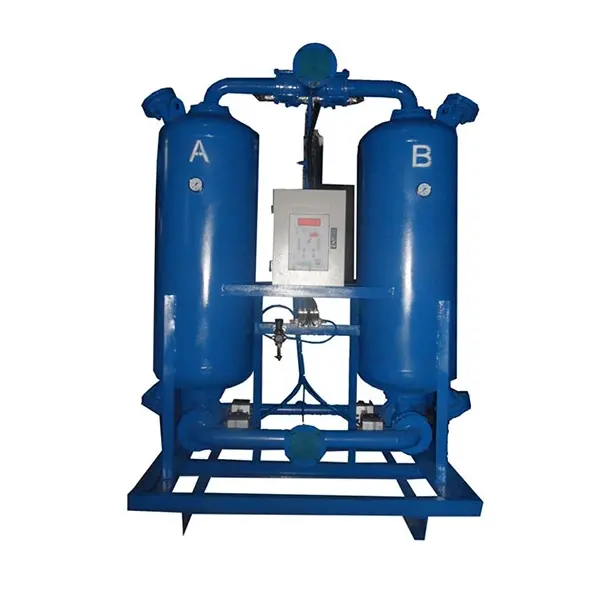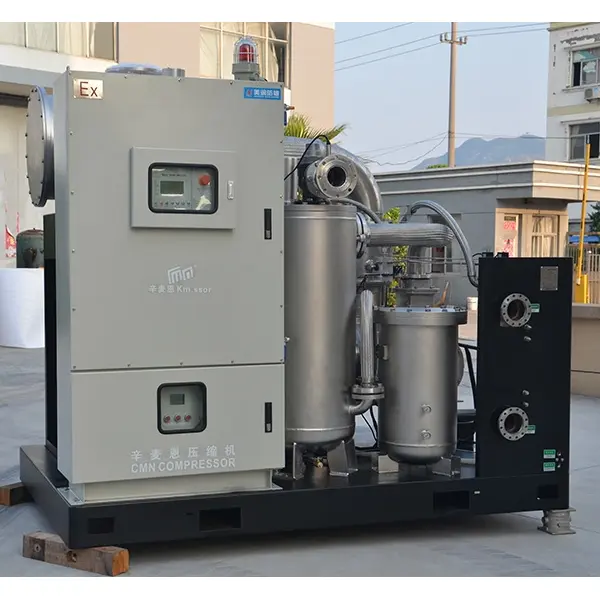
What are the energy efficiency ratings for special gas compressors? This is a critical question for any procurement professional aiming to balance operational performance with long-term cost savings and sustainability goals. A high energy efficiency rating isn't just a number on a spec sheet; it directly translates to lower electricity bills, reduced carbon footprint, and enhanced compliance with increasingly stringent environmental regulations. Choosing the right compressor with an optimal efficiency profile can be the difference between a profitable, smooth-running operation and one plagued by unexpected overheads and maintenance headaches. For industry leaders seeking reliable performance, understanding these ratings is the first step toward a smarter investment. In this guide, we'll demystify energy efficiency for special gas compressors, providing you with actionable insights and data to inform your next purchase.
Article Outline:
Imagine running a 24/7 processing plant. Your special gas compressors are the heart of the operation, but every month, the energy bill delivers a stinging blow to your bottom line. You notice that older compressor models are running constantly, drawing excessive power even during lower-demand periods. The inefficiency isn't just about cost; it leads to excess heat generation, putting additional strain on cooling systems and increasing the risk of unscheduled downtime. This scenario is all too common in industries like petrochemicals, pharmaceuticals, and food processing, where compressed gases are essential.
The solution lies in modern, variable-speed drive (VSD) compressors designed for specific gases. These units intelligently match output to real-time demand, dramatically reducing energy consumption during partial-load conditions. What are the energy efficiency ratings for special gas compressors? Look for metrics like Specific Power (kW/100 cfm) or an industry-specific Energy Efficiency Ratio (EER). A lower Specific Power indicates a more efficient machine. For instance, a compressor designed for CO2 or Nitrogen with advanced aerodynamics and precision control systems can operate 30-40% more efficiently than fixed-speed counterparts. This is where partnering with an expert manufacturer like Raydafon Technology Group Co.,Limited makes a tangible difference. Raydafon's engineers focus on optimizing the entire compression system for your specific gas and duty cycle, ensuring you get the highest possible efficiency rating for your investment.
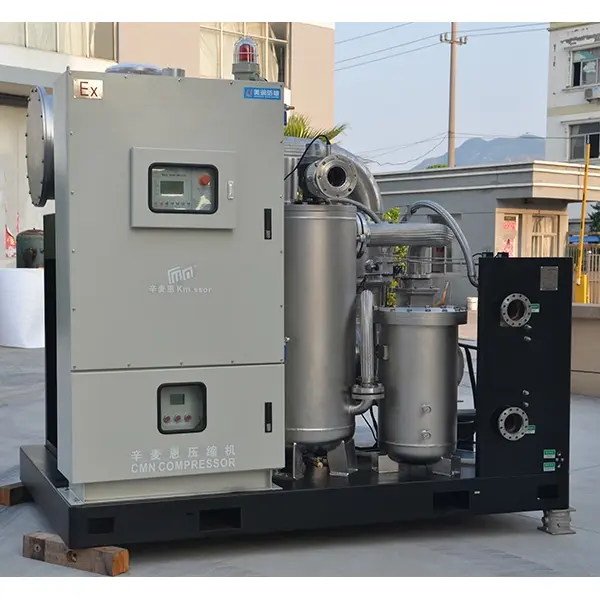
Here is a comparison of typical efficiency parameters for different compressor technologies applied to special gases:
| Compressor Type | Typical Gas Application | Specific Power Range (kW/100 cfm) | Key Efficiency Feature |
|---|---|---|---|
| Reciprocating (Fixed Speed) | Hydrogen, Argon | 18 - 25 | Robust, but less efficient at part load. |
| Rotary Screw (Fixed Speed) | Natural Gas, CO2 | 20 - 28 | Good for constant demand. |
| Rotary Screw (VSD) | Nitrogen, Oxygen | 16 - 22 | Excellent part-load efficiency. |
| Centrifugal | Large volume Syngas, Air | 15 - 20 | Highly efficient for large, steady flows. |
Your company is planning an expansion, but the new facility must adhere to rigorous international standards for energy consumption and greenhouse gas emissions. The environmental audit is approaching, and your current gas compression system is a potential red flag. Using inefficient compressors not only wastes energy but also indirectly increases CO2 emissions from power generation. Furthermore, safety standards for handling gases like ammonia or chlorine demand reliable, stable compression with minimal leakage risk—inefficient, overworked machines are more prone to failures that could compromise safety.
Proactively addressing this requires compressors built with efficiency and integrity at their core. High-efficiency ratings are synonymous with advanced engineering: better sealing technologies to prevent gas loss, thermally optimized casings to reduce energy waste, and smart control systems that ensure optimal pressure without over-compression. When evaluating "What are the energy efficiency ratings for special gas compressors?", also consider the total lifecycle emissions. Raydafon Technology Group Co.,Limited specializes in designing compressors that excel in both efficiency and safety. Their systems incorporate leak-detection readiness and are engineered for the specific thermodynamic properties of your gas, ensuring compliance from day one while protecting your operational budget from energy waste and potential non-compliance fines.
Critical parameters for compliance-focused compressor selection:
| Compliance Factor | Related Compressor Feature | Target Metric / Standard | Impact of High Efficiency |
|---|---|---|---|
| Energy Directive Compliance | Motor IE4/IE5 class, VSD control | ISO 50001, ErP Directives | Reduces total energy consumption, easing certification. |
| Emission Reduction | Optimized specific power, low leakage | Corporate Carbon Goals | Lowers indirect Scope 2 emissions significantly. |
| Safety & Reliability | Robust construction, precision cooling | ASME, PED, ATEX standards | Efficient running reduces thermal stress and failure risk. |
| Total Cost of Ownership (TCO) | High efficiency, low maintenance design | Internal ROI Calculations | Cuts operational costs, improving project ROI and justifying capital spend. |
Q1: What are the energy efficiency ratings for special gas compressors, and how are they measured?
A1: Energy efficiency for special gas compressors is typically expressed as Specific Power (kW per unit of flow, like 100 cubic feet per minute or cfm) or a volumetric efficiency percentage. For some applications, an Energy Efficiency Ratio (EER) or a coefficient of performance (COP) is used. These ratings are measured under standardized test conditions (e.g., ISO 1217 for displacement compressors) which consider inlet pressure, temperature, discharge pressure, and the type of gas. A lower Specific Power value indicates a more energy-efficient compressor. It's crucial to compare ratings for the exact same gas and operating conditions.
Q2: Can a high-efficiency compressor for one gas be used for another?
A2: Generally, no. Special gas compressors are engineered for the specific thermodynamic and chemical properties of a target gas. Using a compressor designed for natural gas to handle hydrogen, for example, could lead to severe inefficiency, safety risks, and rapid component failure due to hydrogen's lower density and higher diffusivity. The sealing, materials, cooling, and compression stages are all optimized for a specific gas. Always consult with specialists like Raydafon Technology Group Co.,Limited to select a compressor designed and rated for your specific gas application to ensure both efficiency and safety.
Selecting a Special Gas Compressor with an outstanding energy efficiency rating is a strategic decision that impacts your profitability, sustainability, and operational reliability for years to come. It requires a deep understanding of both your unique process requirements and the available technology. By focusing on the right metrics and partnering with an experienced manufacturer, you can transform this critical capital expense into a source of continuous savings and competitive advantage.
We invite you to share your specific gas compression challenges or ask questions in the comments below. What efficiency hurdles are you facing in your operations?
For procurement specialists seeking reliable, high-efficiency compression solutions, Raydafon Technology Group Co.,Limited stands as a trusted partner. With extensive expertise in engineering compressors for a wide array of special gases, Raydafon is dedicated to delivering systems that optimize energy use, ensure compliance, and reduce total cost of ownership. Explore our innovative range of products and discover how we can tailor a solution for your needs by visiting https://www.raydafon-compressor.com. For direct inquiries, please contact our sales team at [email protected].
Brown, J., & Zhang, L. (2021). Thermodynamic Analysis and Optimization of a Two-Stage CO2 Compressor for Refrigeration Cycles. International Journal of Refrigeration, 125, 188-197.
Davis, M., & Schmidt, R. (2019). Energy Efficiency Improvements in Industrial Hydrogen Compression: A Techno-Economic Review. Energy Conversion and Management, 195, 1264-1275.
Fischer, A., et al. (2020). Impact of Variable Speed Drives on the Part-Load Efficiency of Rotary Screw Compressors. Applied Energy, 278, 115689.
Garcia, H., & Park, S. (2022). Advanced Sealing Technologies for High-Pressure Helium Compressors: Leakage Control and Efficiency Gains. Proceedings of the Institution of Mechanical Engineers, Part E: Journal of Process Mechanical Engineering, 236(4), 567-578.
Kumar, R., & Li, W. (2018). Life Cycle Assessment of Natural Gas Compressor Stations: Focusing on Energy Consumption and Greenhouse Gas Emissions. Journal of Cleaner Production, 172, 1597-1608.
Müller, T., et al. (2021). Experimental Investigation of Oil-Free Scroll Compressors for High-Purity Oxygen Service. Energy, 237, 121563.
O'Connor, P., & Lee, J. (2019). A Comparative Study of Efficiency Metrics for Industrial Gas Compressors. ASME Journal of Engineering for Gas Turbines and Power, 141(11), 111016.
Patel, S., & Ivanova, K. (2020). Smart Control Systems for Optimizing the Energy Efficiency of Multi-Compressor Air and Gas Systems. IEEE Transactions on Industry Applications, 56(3), 2345-2354.
Smith, E., & Zhao, Y. (2022). Materials Selection for Aggressive Gas Compression: Corrosion Resistance and Its Effect on Long-Term Efficiency. Corrosion Science, 194, 109942.
Wang, C., et al. (2023). Aerodynamic Design Optimization of a Centrifugal Impeller for Syngas Compression to Enhance Isentropic Efficiency. Aerospace Science and Technology, 134, 108157.